EXHIBITION
Exhibition
The Cité Bleue Geneva: past, present, and future of a prominent Geneva cultural site.
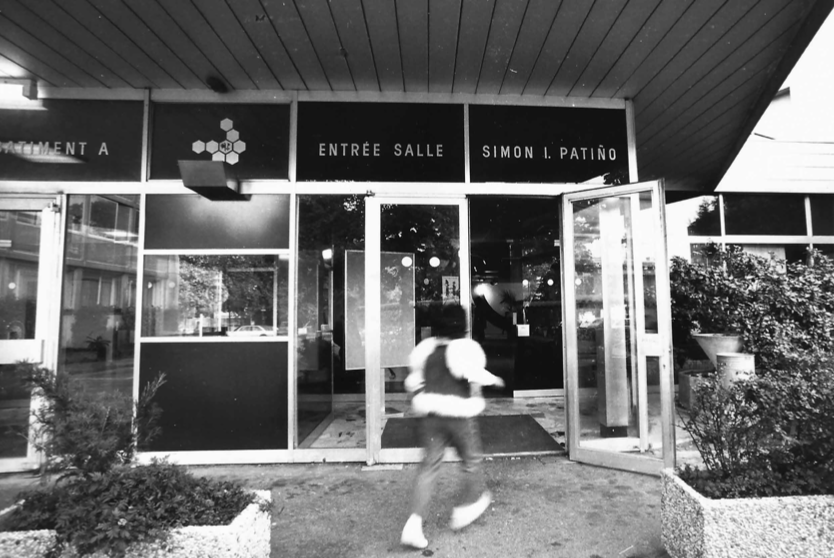
Initially known as Salle Simón I. Patiño, before being renamed Cité Bleue, the octagonal theatre attached to the Cité universitaire in Champel is a site that has produced and contributed to the development of a considerable number of associations and artists, thus shaping Geneva’s current cultural landscape. Today, its history will again be reinvented as the hall is being revamped. Renovations began in January 2022 and La Cité Bleue Genève is set to open its doors in the winter of 2023-2024, marking the beginning of a new artistic adventure, under the direction of harpsichordist and conductor Leonardo García Alarcón.
This exhibition retraces the extraordinary history of the site and invites you to explore the new artistic and architectural face of La Cité Bleue Genève.
Timeline
Contemporary Art
Contemporary Art Quinzaines are organized annually, featuring theater, music, performances, cinema, and exhibitions.
1968 - 1973programming
Commencement of regular programming sponsored by the Simón I. Patiño Foundation to encourage contemporary local creation. The site will subsequently be backed by the Geneva City and State as well.
1974Music & Dance
Following the opening of the Maison des Arts du Grütli, the activities of the venue focus on contemporary music and dance.
1988Cité Bleue
The Simón I. Patiño Foundation withdraws from the activities of the hall. It is renamed Blue City and its management is now entirely in the hands of Cité Universitaire.
1996Fondation Cité Bleue
The Blue City Foundation was established to develop a refurbishment plan for the Hall.
Juillet 2017Renovation Project
The Cité Bleue Foundation is created to design a renovation project for the Hall.
Juillet 2017Leonardo García Alarcón
Leonardo García Alarcón is appointed to lead the future venue and forms the association Les Saisons Bleues, responsible for assembling an administrative and artistic team.
2020The Cité Bleue
The Cité Bleue is a fresh global hub for art enthusiasts, dedicated to showcasing exceptional talents in music, theater, dance, visual arts, and circus.
Mars 2024Patiño Hall
The Cité universitaire was created with the intention of building a multipurpose hall for university classes and performances. Its construction was financed by the Simón I. Patiño Foundation, which proposed to turn it into a centre for contemporary art in Geneva. The project was accepted by the Cité universitaire and Salle Patiño was inaugurated in 1968.
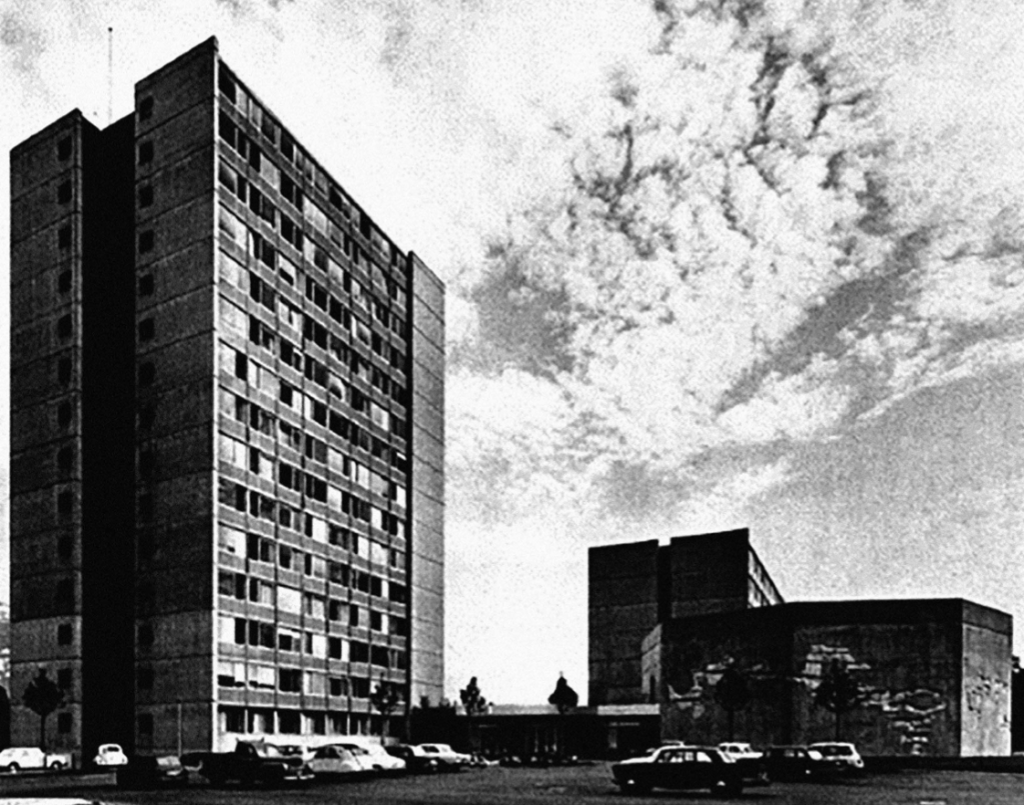
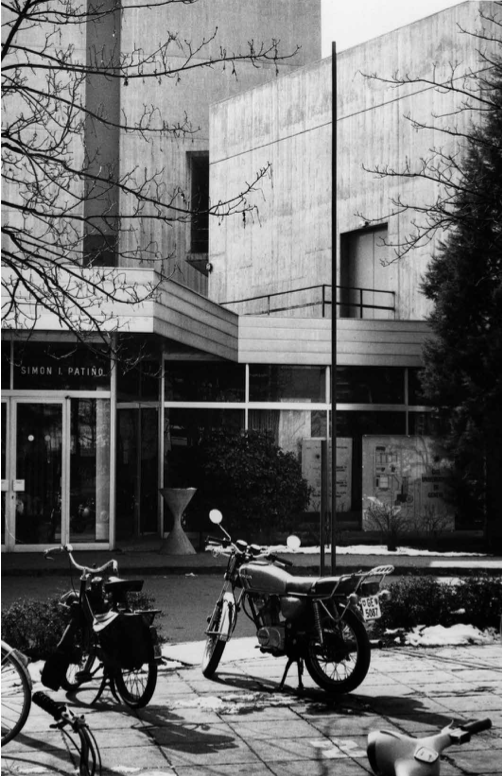
Fondation Simón I. Patiño
The foundation was created in 1958 by the heirs of Bolivian industrialist Simón I. Patiño (1860-1947). It finances and develops projects in the areas of education, culture, health, agriculture and ecology in Latin America, with a particular focus on Bolivia. It supports various artistic programmes in Geneva through scholarships and seeks to promote local cultural activities and associations that remain on the margins of major institutions.
Contemporary Art Biennales (1968-1973)
To begin with, the hall’s artistic committee organised the Quinzaines d’Art Contemporain, an annual event that brought together theatre, concerts, film screenings, performances and exhibitions.
It is in this context that Salle Patiño presented an exhibition by Swiss painter Charles Rollier, concerts by the Studio de Musique Contemporaine (Geneva) and Domaine Musical (Paris), and performances by Grupo TSE (Bueno Aires), The Bread and Puppet Theatre (New York) and Argentinian dancer Graciela Martinez, long before she became famous.
The scandal!
To begin with, the hall’s artistic committee organised the Quinzaines d’Art Contemporain, an annual event that brought together theatre, concerts, film screenings, performances and exhibitions.
It is in this context that Salle Patiño presented an exhibition by Swiss painter Charles Rollier, concerts by the Studio de Musique Contemporaine (Geneva) and Domaine Musical (Paris), and performances by Grupo TSE (Bueno Aires), The Bread and Puppet Theatre (New York) and Argentinian dancer Graciela Martinez, long before she became famous.
Regular Programming (since 1974)
Following the success of the Quinzaines d’art contemporain, the hall launched a regular programme financed by the Simón I. Patiño Foundation and managed by an on-site team. The aim was to support local contemporary creations and also bring in international artists.
Associative Movement
Associations burgeoned in Geneva in the 1970s in response to conservative leanings, putting forward a lively and distinctly contemporary cultural offering. Salle Patiño played a crucial role in this artistic and political movement, as it was one of the only places in the City that would feature such a programme (along with Saint Gervais’ Maison des Jeunes). It became both the birthplace and driving force of a number of associations that are the pillars of Geneva’s cultural scene today.
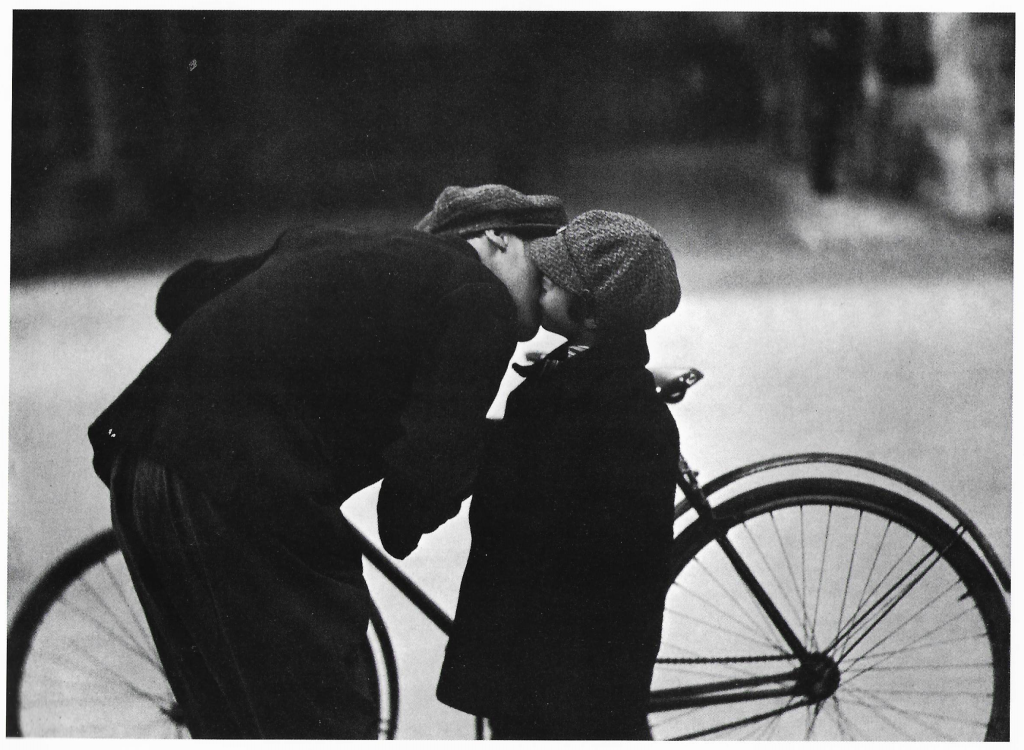
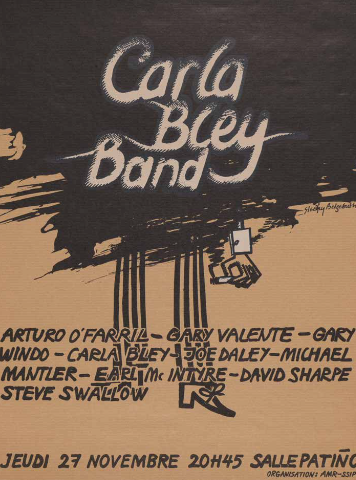
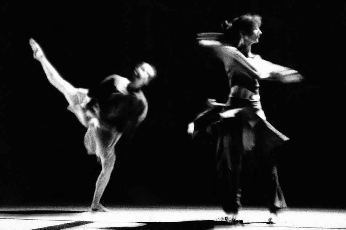

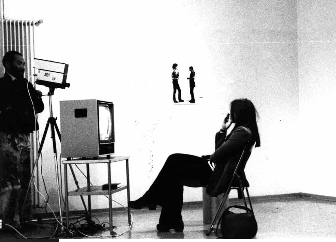
The Centre d'animation cinématographique
The Centre d’Animation Cinématographique, known today as the Cinémas du Grütli, was created at the initiative of François Roulet and the artistic committee of Salle Patiño, following in the footsteps of five Swiss filmmakers: Alain Tanner, Jean-Louis Roy, Claude Goretta, Michel Soutter and Jean-Jacques Lagrange. The CAC initially organised film days as part of the Quinzaines d’art contemporain, but officially launched as an association at Salle Patiño in 1972.
The AMR
The AMR (Originally the Association pour la Musique de Recherche, which then became the Association pour la Musique impRovisée) was founded in 1973. In its early days, it was very active at Salle Patiño, supporting local artists and bringing in jazz celebrities such as Archie Shepp, Charles Mingus, Carla Bley, Paul Bley and Sun Râ Arkestra.
Fonction : Cinéma
The Fonction: Cinéma association was founded in 1983 to offset the lack of subsidies available for local film productions. At its inauguration in Salle Patiño, the association presented 65 previously unscreened films from Geneva.the association presented 65 previously unscreened films from Geneva.
La Bâtie-Festival
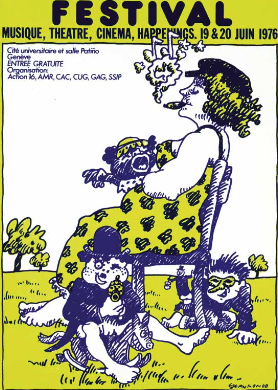
In June 1976, a festival uniting music, dance, theatre and film screenings was organised at Salle Patiño
and the exterior areas of the Cité universitaire through a collaborative effort by the AMR, Théâtre Mobile, Théâtre de la Lune Rouge and Action 16. It was established as an annual event the following year, officially becoming the Festival de la Bâtie.
The Centre d’Art Contemporain
The Centre d’Art Contemporain was founded at Salle Patiño in 1974, under the leadership of Adelina von Fürstenberg. It presented exhibitions in the basement of the hall, as well as concerts, performances, screenings and conferences. It brought all kinds of avant-garde artistes to Geneva, including George Brecht, Daniel Buren, Sol LeWitt, Trisha Brown, Philip Glass, John Cage and Bob Wilson.
The Ateliers d’Ethnomusicologie
In June 1974, a series of Indian music concerts was organised for the first time at Salle Patiño by Laurent Aubert, as part of the AMR. It was so successful that the event, which includes concerts, lectures and workshops on music from diverse cultures, was maintained and expanded each year. It developed into an association of its own in 1983, becoming the Ateliers d’Ethnomusicologie.
Archipel
Salle Patiño also held the first editions of Festival Archipel, founded in 1992 by Philippe Albèra. Archipel seeks to promote all types of musical experimentation and sound art, organising concerts and performances, sound installations, encounters and lectures.
The Centre de la Photographie
The Centre de la Photographie was founded in 1984 by a group of photography enthusiasts, including Michel Auer, Michèle Ory, Olivier Vodoz, Jacques Pugin and Gad Borel. Its events took place in Salle Patiño, from the very first exhibition, which featured the photographs of Hans Staub, Gotthard Schuh and Paul Senn, up until 1988.
The ADC
The ADC (Association pour la Danse Contemporaine) was founded at Salle Patiño in 1986 with the aim of promoting contemporary dance in Geneva, modelled after dancer and choreographer Noemi Lapzeson. Each season featured the creations of about ten different local and international choreographers, including Laura Tanner, Fabienne Abramovich, Yann Marussich, Dana Reitz, Angelin Preljocaj and Anne Teresa De Keersmaeker. It also led to the creation of the Vertical Danse company in 1989.
Contrechamps
Contrechamps grew out of the Cinema/Music days organised by Philippe Albèra and Jean-François Rohrbasser at Salle Patiño in 1976. The association was created the next year, followed by the ensemble and publishing house that share the same name. Thanks to Contrechamps, a number of composers were invited to Salle Patiño to direct their works and give lectures, including Luciano Berio, Luigi Nono, Cathy Berberian, Klaus Huber, György Kurtag, Karlheinz Stockhausen and György Ligeti.
And many more...
CIP (Centre International de Percussion, which became Eklekto) was founded in 1974 by Pierre Métral and was very active at Salle Patiño from 1989 to 1996. AMEG (Association professionnelle pour la Musique Electroacoustique) was also highly involved in the hall from 1979 to 1995. Finally, three travelling companies developed close ties with Salle Patiño, presenting their first shows on its stage: Théâtre de la Lune Rouge (1974-77), Théâtre du Loup (1978) and Montreurs d’images (1979).
La Cité Bleue
In 1996, the Simón I. Patiño Foundation decided to end its involvement with the hall and asked that its name be changed. The Cité universitaire became wholly responsible for managing the hall and resident artists were now required to pay rent.
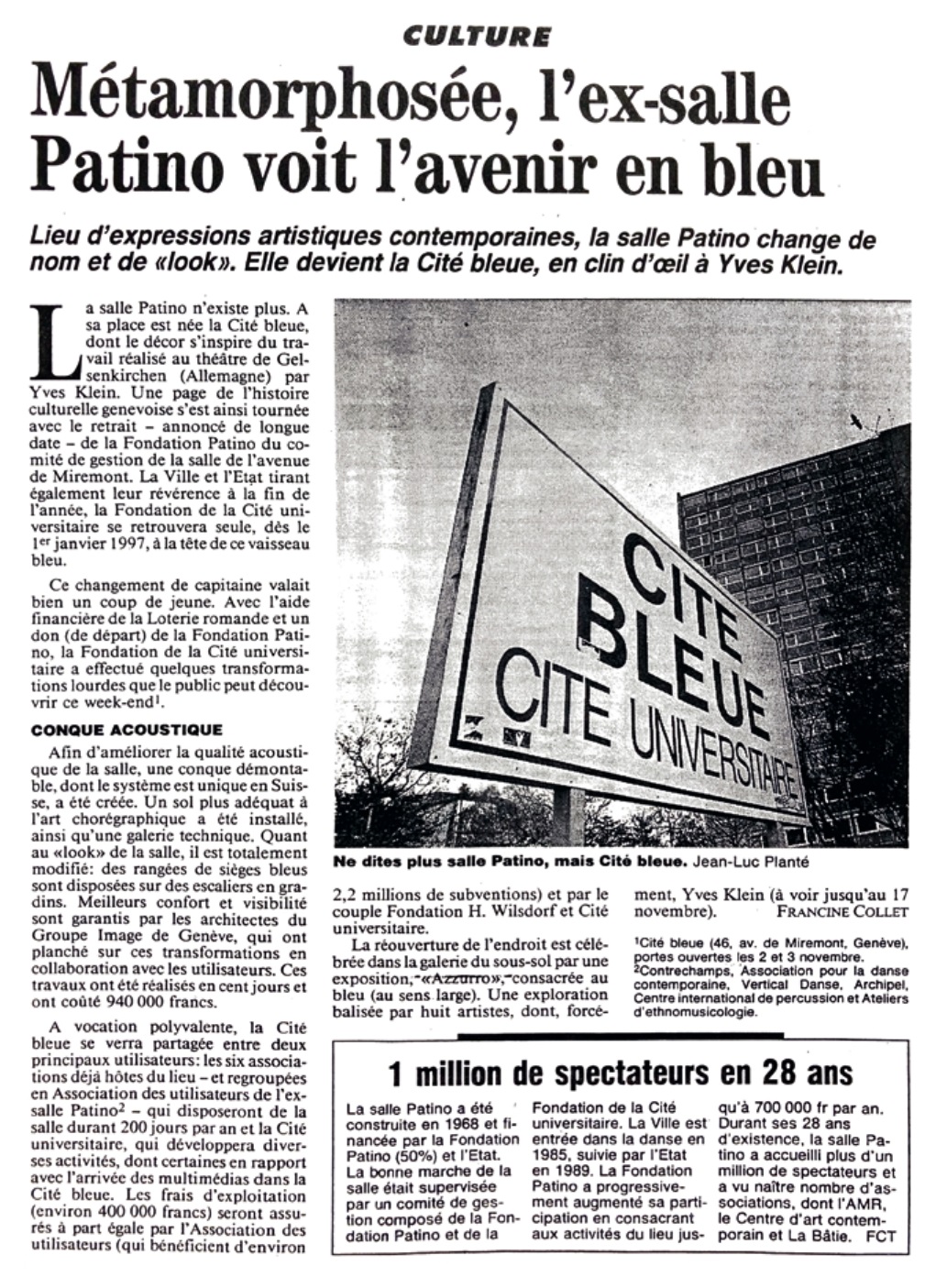
Patiño Hall turns blue (1996)
Patiño Hall was renamed Cité Bleue, a name and colour inspired by the work of Yves Klein and, more specifically, his decor for the Gelsenkirchen opera house-theatre in Germany. After its official inauguration on 1 November 1996, it launched the collective exhibition Azzuro, which featured works related to the colour blue by Klein and eight other contemporary artists.
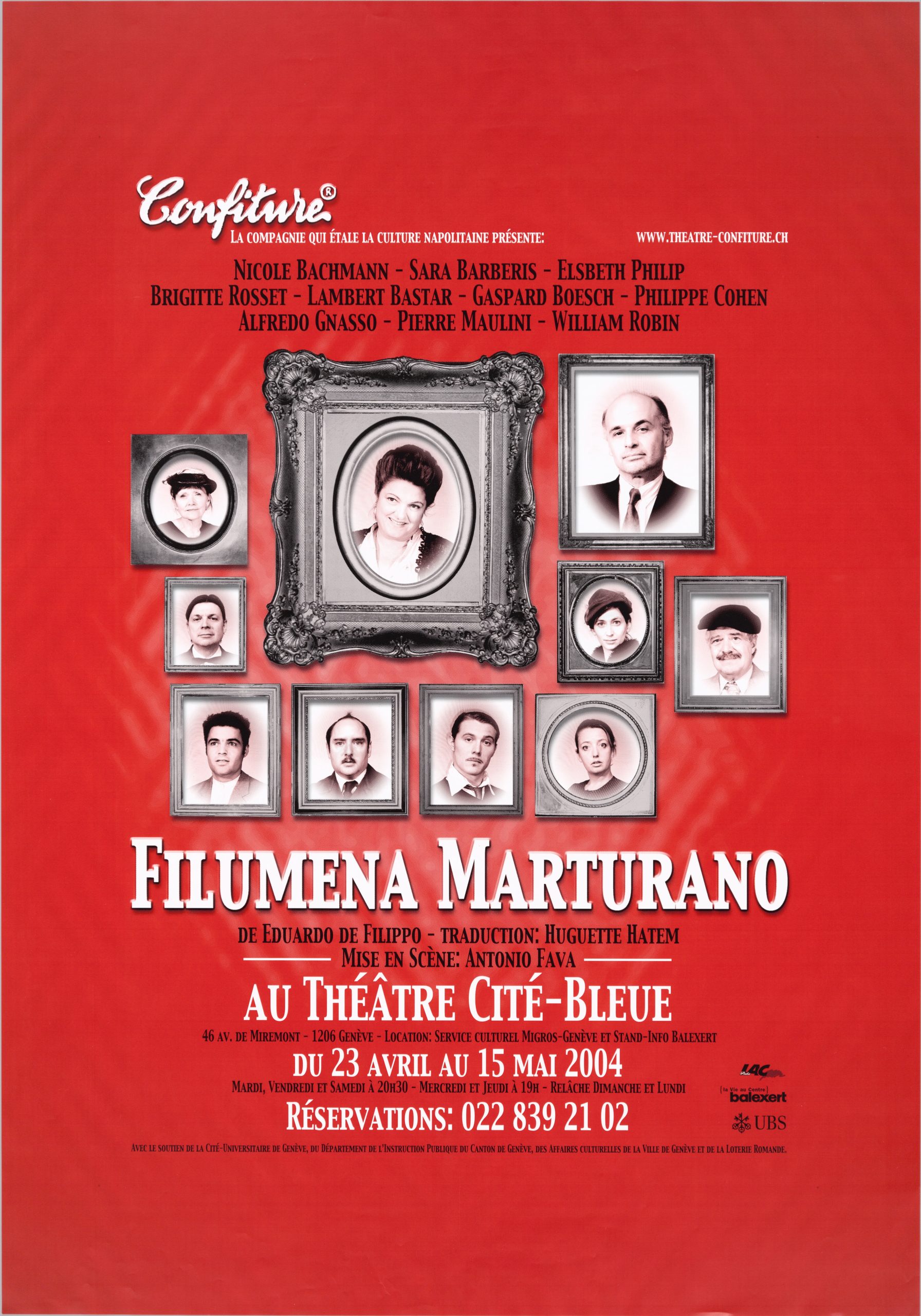
Théâtre Confiture took up residence in the hall from 1998 to 2008. Founded by Philippe Cohen, Gaspard Boesch, Brigitte Rosset, Sara Barberis and Antony Mettler, the company presented five shows per season until moving to the Théâtre de la Madeleine.
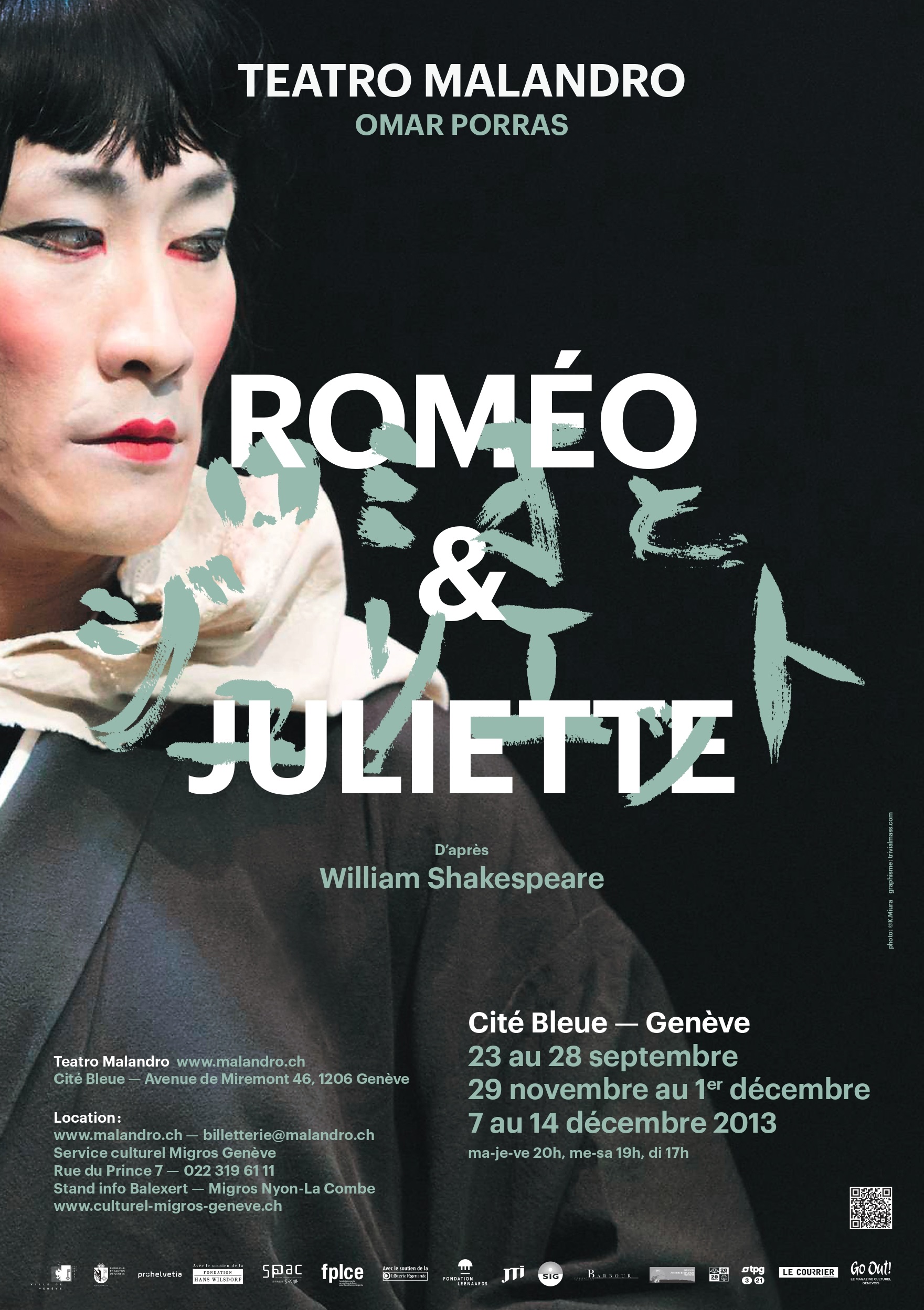
From 2013 to 2015, Omar Porras and his company, Teatro Malandro, moved into Cité Bleue, rehearsing, performing and organising workshops that presented Porras’ acting method, which focuses on exploring the actor’s body. The company then moved to Théâtre Kléber-Méleau (TKM).
Building
Building
Room Architecture
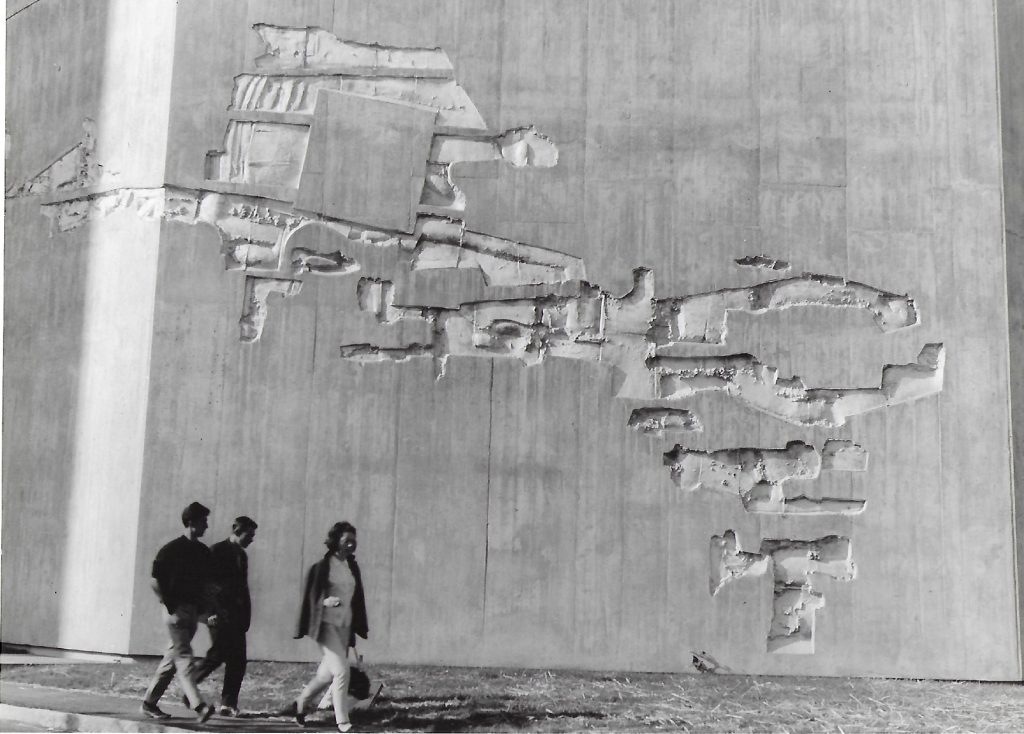
Salle Patiño was conceived by architects Ernest Martin, Louis Payot and Edwin Zurkirch. The acoustic was designed by Pierre Walder and the fresco on the exterior was the creation of artist Albert Rouiller.
The hall was built in the shape of an octagon because the interior was initially intended to be adaptable, with a stage, walls and seating that could be moved around. The idea was abandoned once the exterior walls had already been constructed.
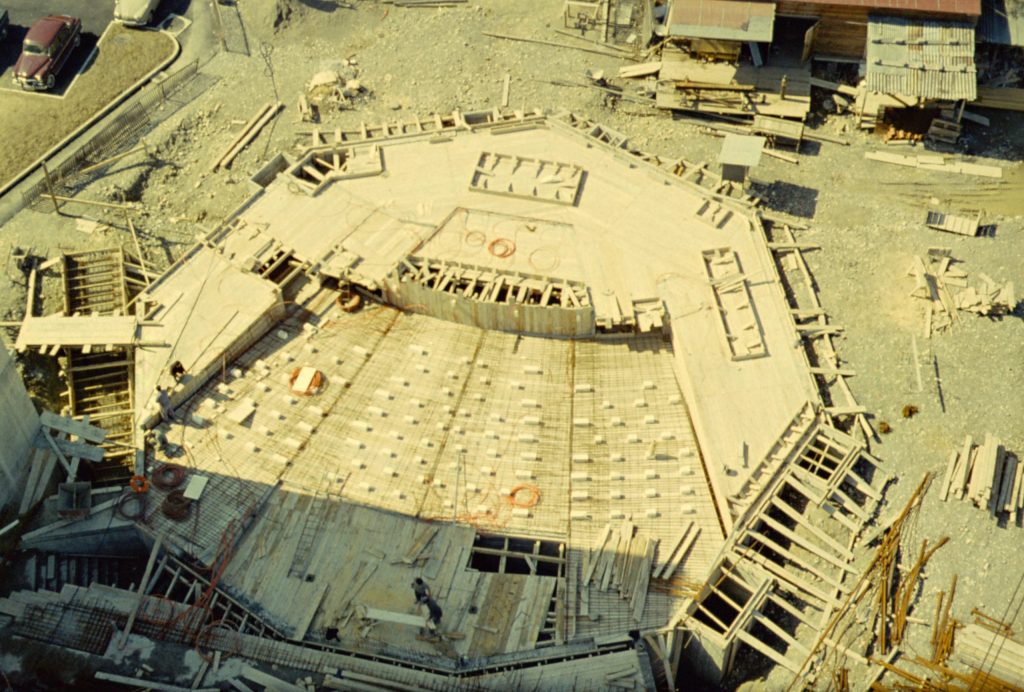
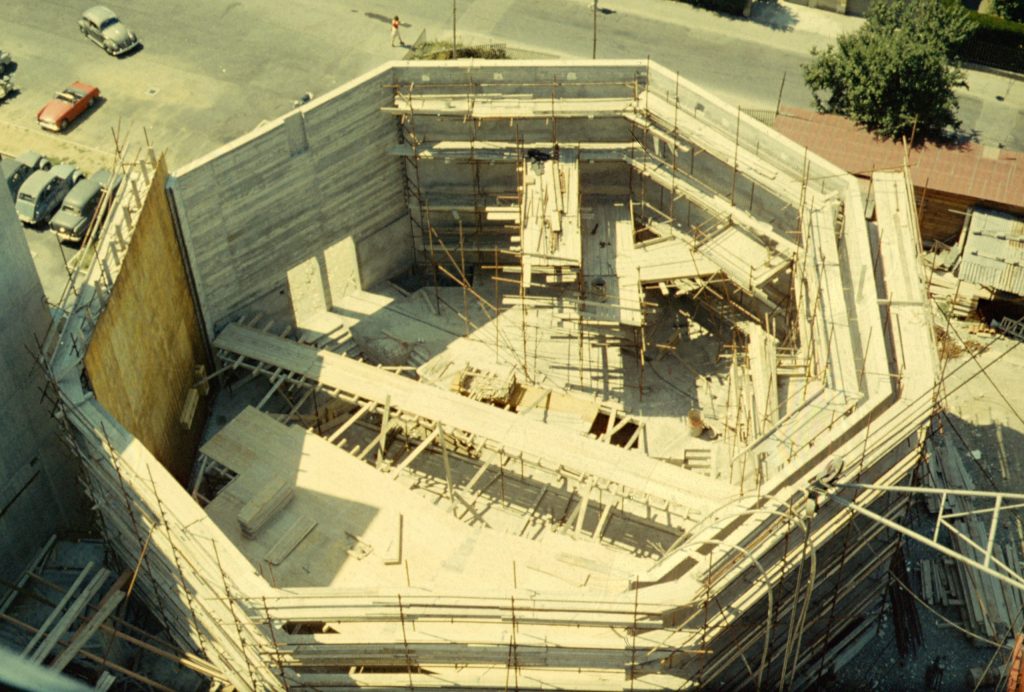
Albert Rouiller (1938-2000)
Albert Rouiller was a well-known Geneva-born sculptor and illustrator. He studied at the École des Beaux-Arts de Genève with Max Weber and Henri Koenig, and began working with moulding and plaster under Georges Pougnier at the École des Arts Décoratifs.
From 1962 to 1963, he created the bas-relief that adorned the exterior walls of the future Salle Patiño. He used an innovative technique that consisted of embedding pieces of aluminium into the concrete facade of the building. He was only 24 at the time and his career was just taking off.
Portrait & Fresco
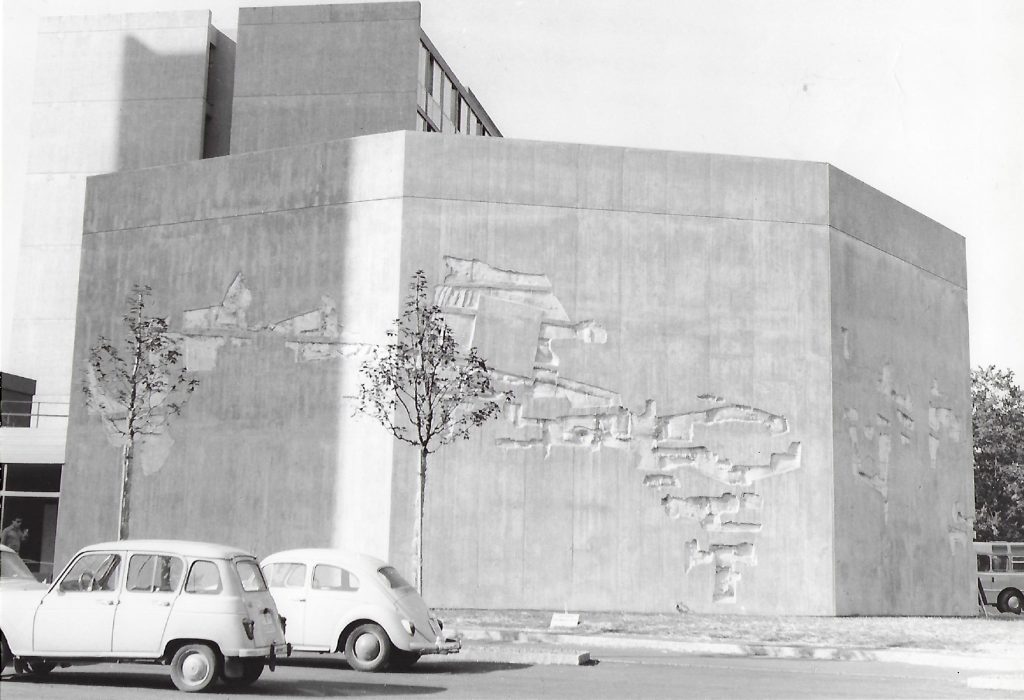
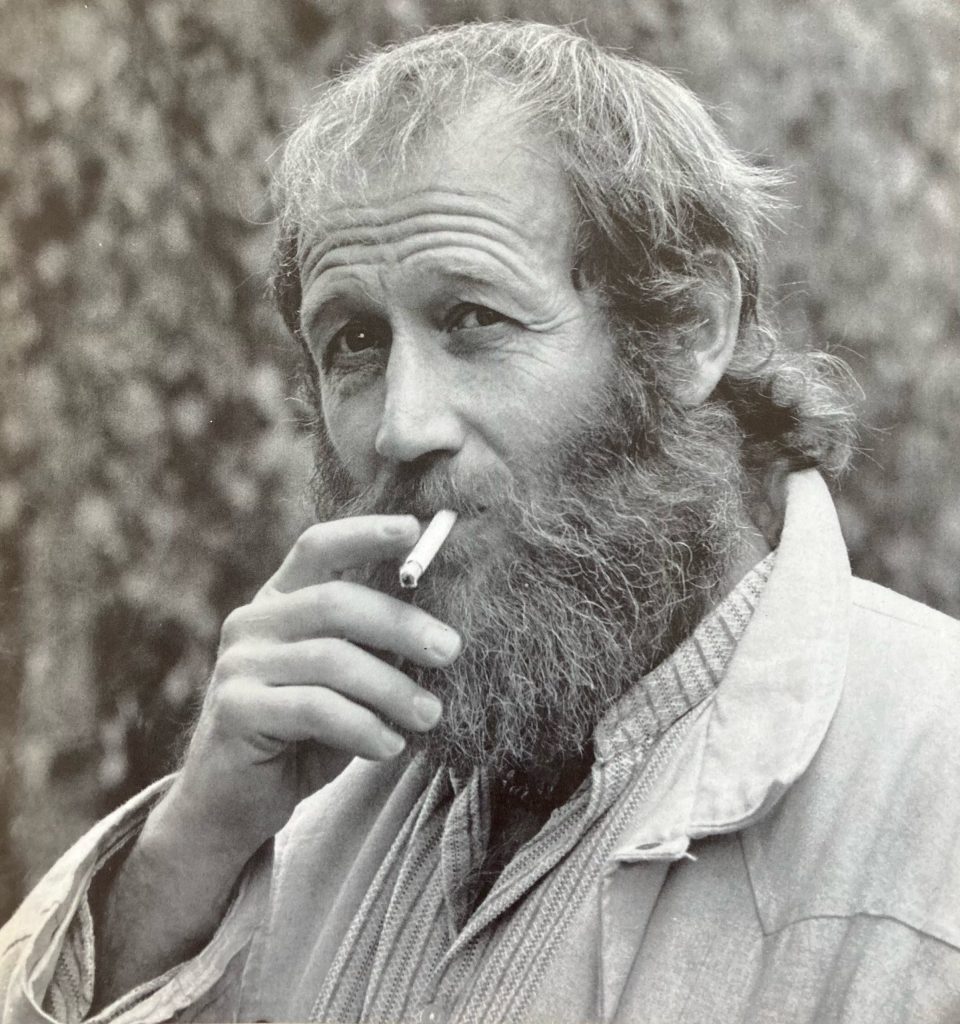
Constantly Improved Equipment
The hall was designed for a variety of uses, from university classes to different types of performances. A committee was put together by the Simón I. Patiño Foundation to ensure that the hall would meet the demands of contemporary art. It was equipped with a sound and lighting system and control room, an orchestra pit, dressing rooms, a storage area for decorations, slide and film projectors, and a removable screen. The equipment constantly evolved to fulfil the needs of users.
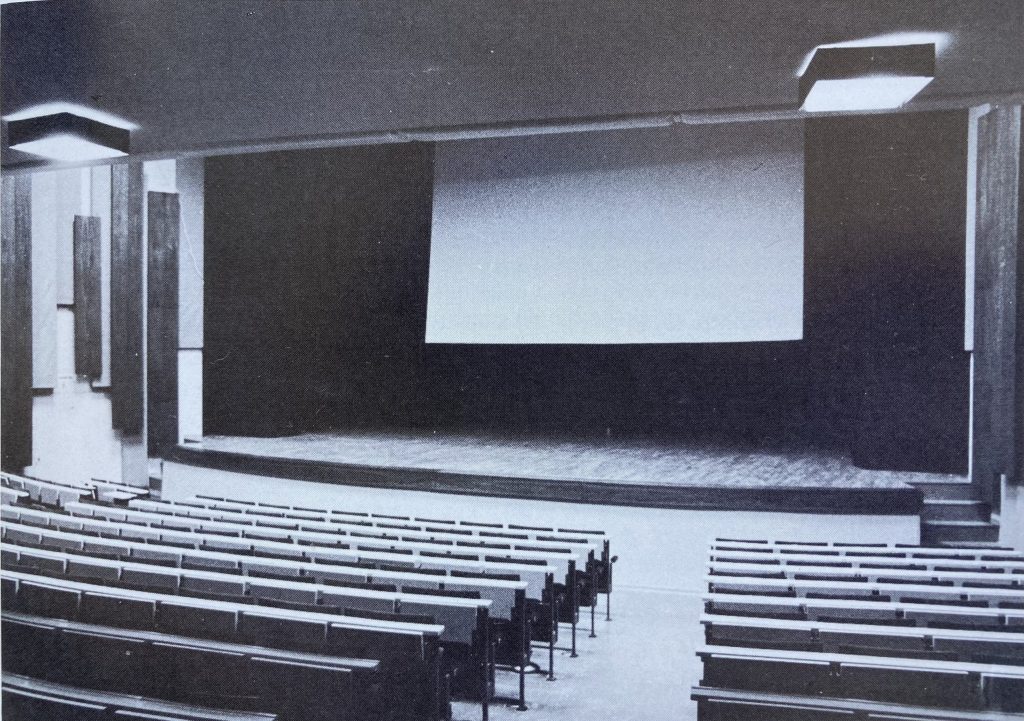
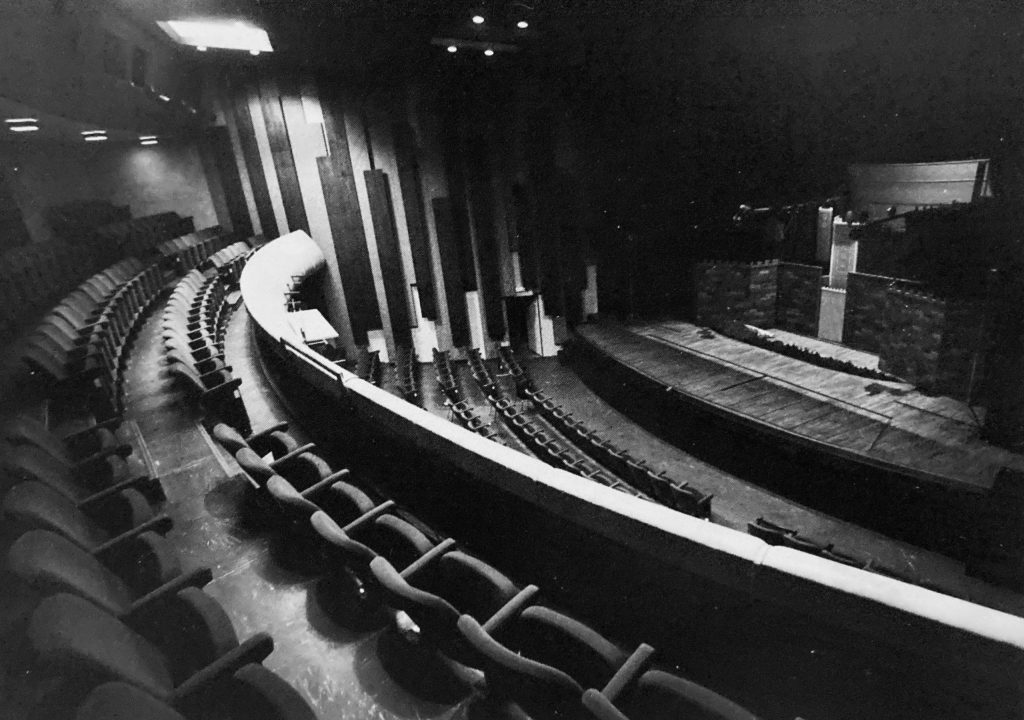
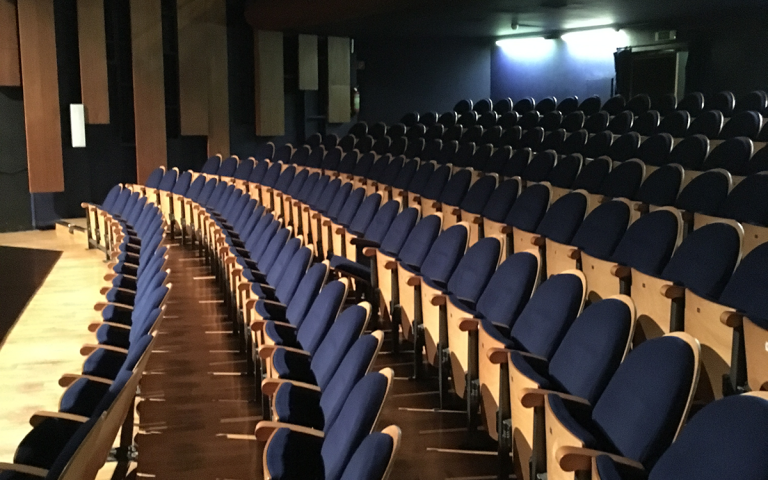
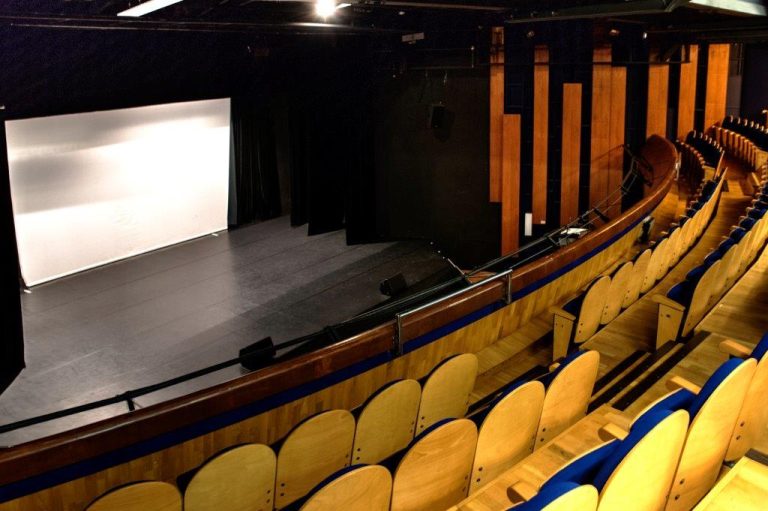
When Salle Patiño became the Cité Bleue in 1996, renovations were carried out by architects from Groupe Image. New facilities were added, including a technical control room, a removable acoustic shell and flexible flooring for dancers. The rows of seats were raised, the chairs became blue, and the layout was revised for better visibility.
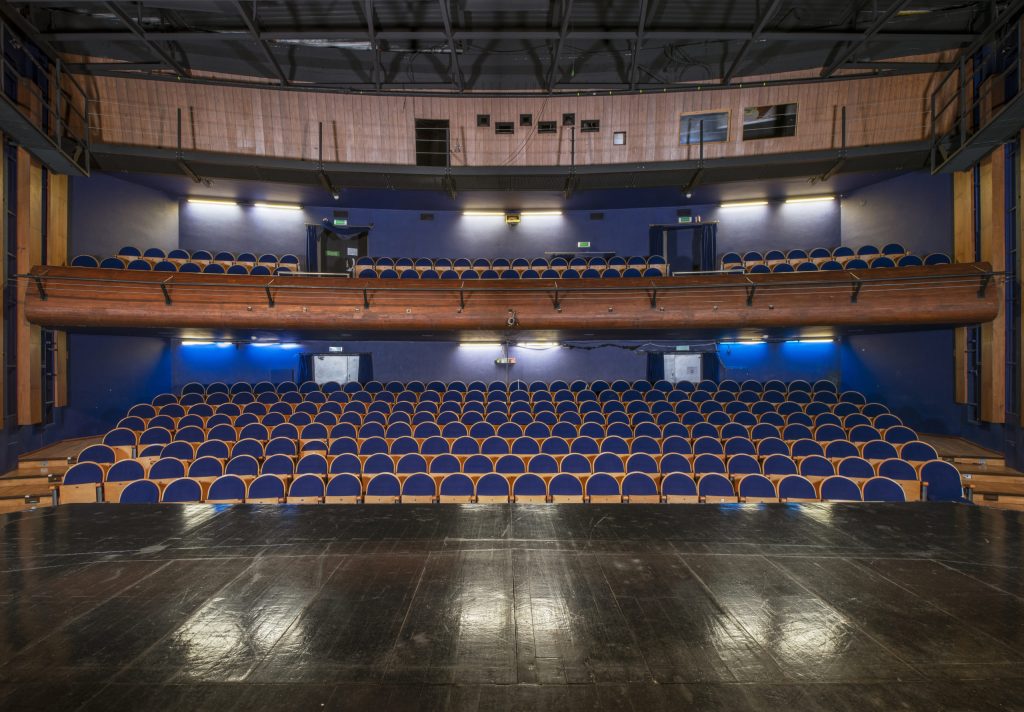
The superstitious world of theater
In 1975, the university amphitheatre seating was replaced with comfortable green chairs. Theatrical tradition dictates that the seats ought to be red (or blue), or else they will bring bad luck!
“I remember that there was once an Italian company that was so startled by the green seating that they initially refused to perform – but they eventually yielded.”
— Jean-François Rohrbasser, former artistic coordinator
Renovation 2022/2023
Fondation Cité Bleue was created in July 2017. The Cité universitaire assigned it to renovate the hall and find the necessary funding. The project came to fruition and renovations began in January 2022, led by architects Pierre Bosson and Stéphane Agazzi (PIBO and A&HM), with the support of set equipment designers Philippe Warrand and Gabrielle Lebreton (ArtSceno), and acoustic expert Nicolas Gallaud (Archac).
Un théâtre sur mesure
This project endeavours to take into account the needs of future users, thanks to the expertise of set designer Pascale Guillou (L’OEil du Prince) and project manager Samira Hajjat. Every detail is scrutinized to ensure that the site is not only functional, but also a warm and welcoming environment for audiences, artists and staff members alike.
“It’s a first for me! The architects are working in close collaboration with Leonardo García Alarcón and the Saisons Bleues team to search for and identify the best solutions. This is invaluable because it brings a more objective perspective to the project and we can exploit the background of each team member. There is a desire to put people at the centre of the project and be especially attentive to making artists and audiences feel at home.”
— Pascale Guillou, set designer (L’OEil du Prince)
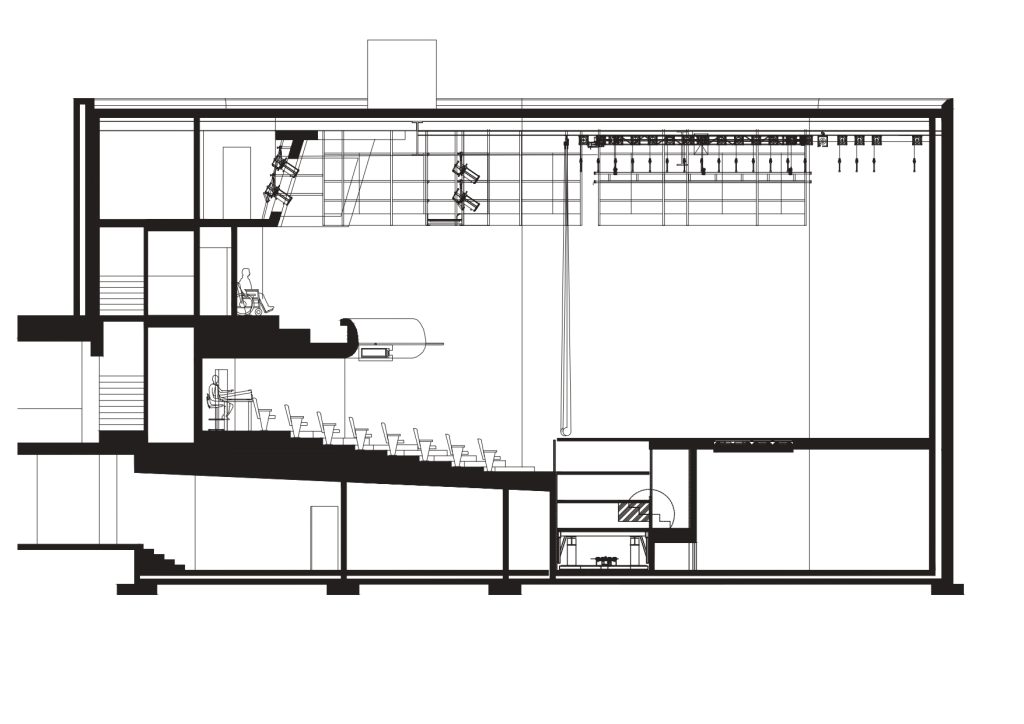
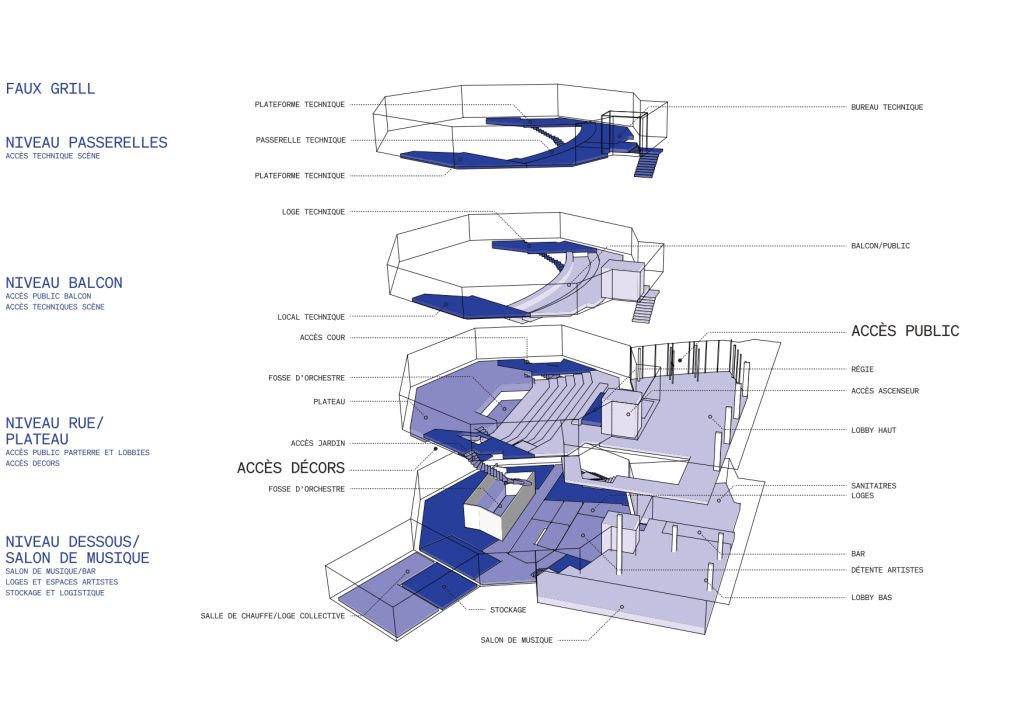
View of the future section of the room
Only the exterior appearance of the room remains the same!
The interior – stage, parterre and balcony, dressing rooms, control rooms and technical facilities – will be completely restructured and refurbished. In the basement, there will be the foyer with a bar and a music salon for outreach activities. For the artists, there will be a fully soundproofed warm-up and practice room, and a relaxation space. Finally, there will be an area specifically designed for storing instruments that will be equipped to provide perfect control over the temperature and humidity.
Orchestra pit
Like most major opera houses, the hall will be equipped with a mobile and motorised orchestra pit, – a unique feature for a venue of this size! It consists of an alcove at the front of the stage, the height of which can be adjusted.
Pit capacity: up to 25 artists / Stage capacity: up to 50 artists

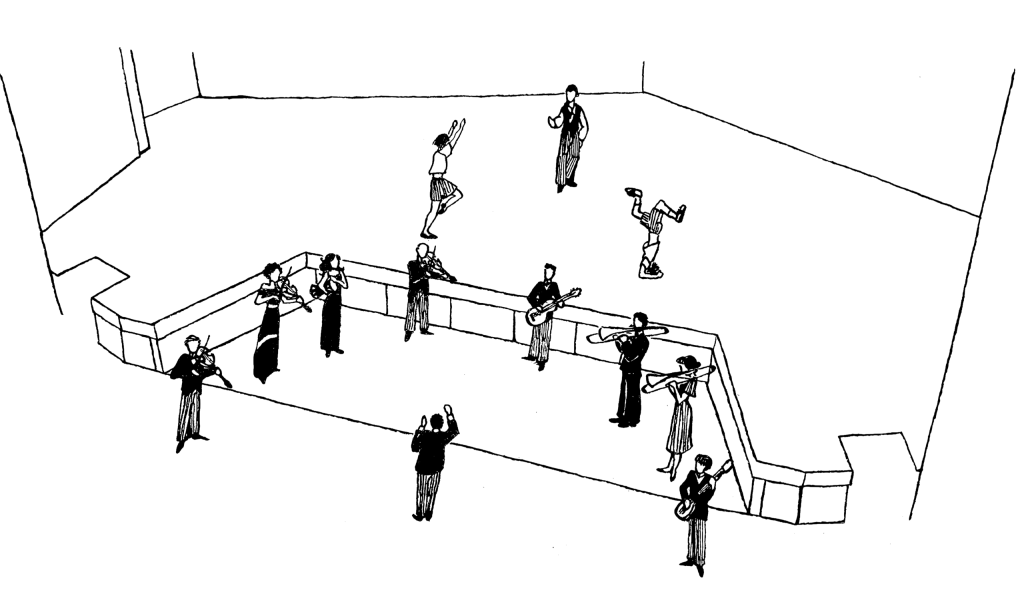
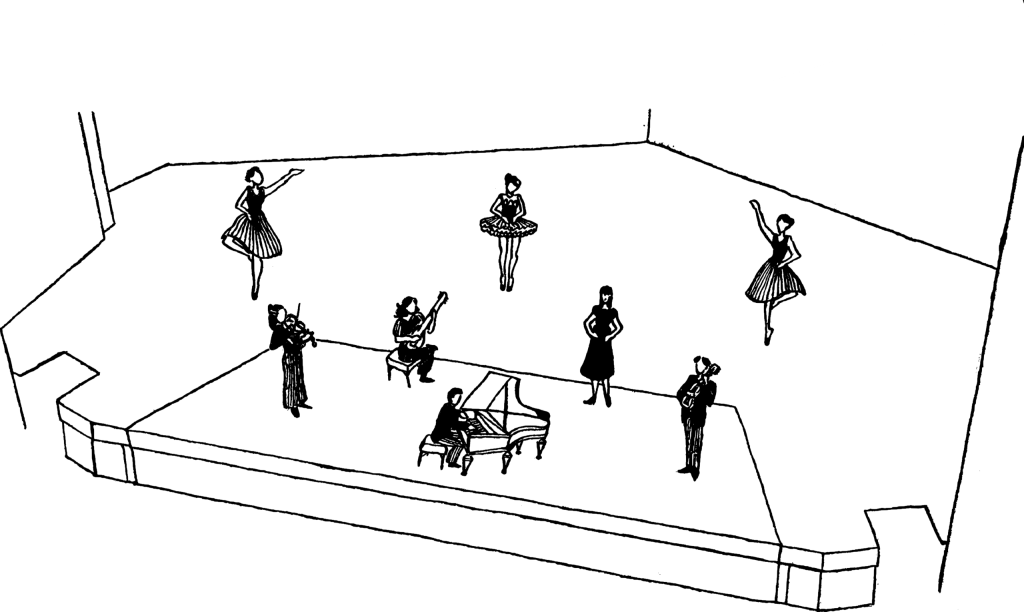

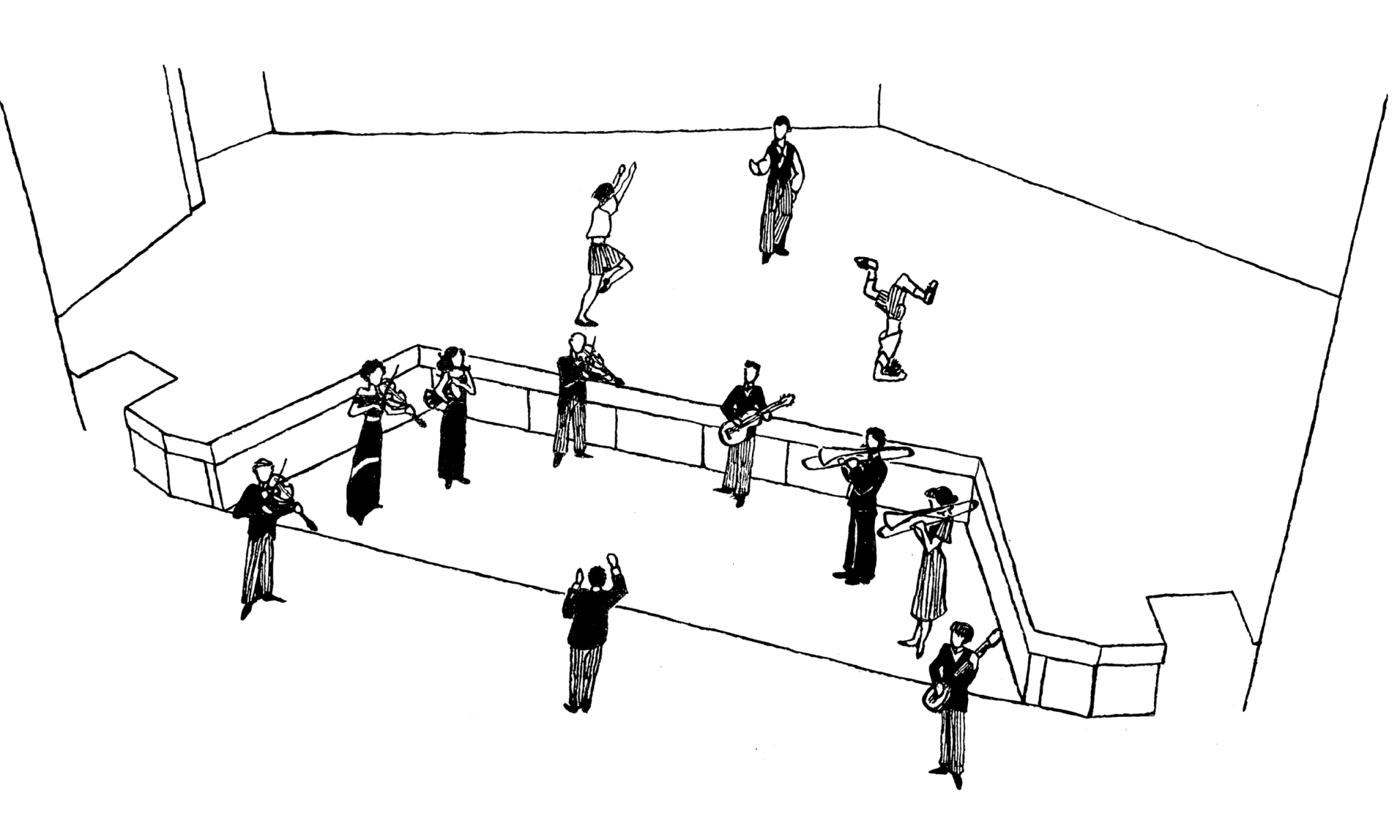
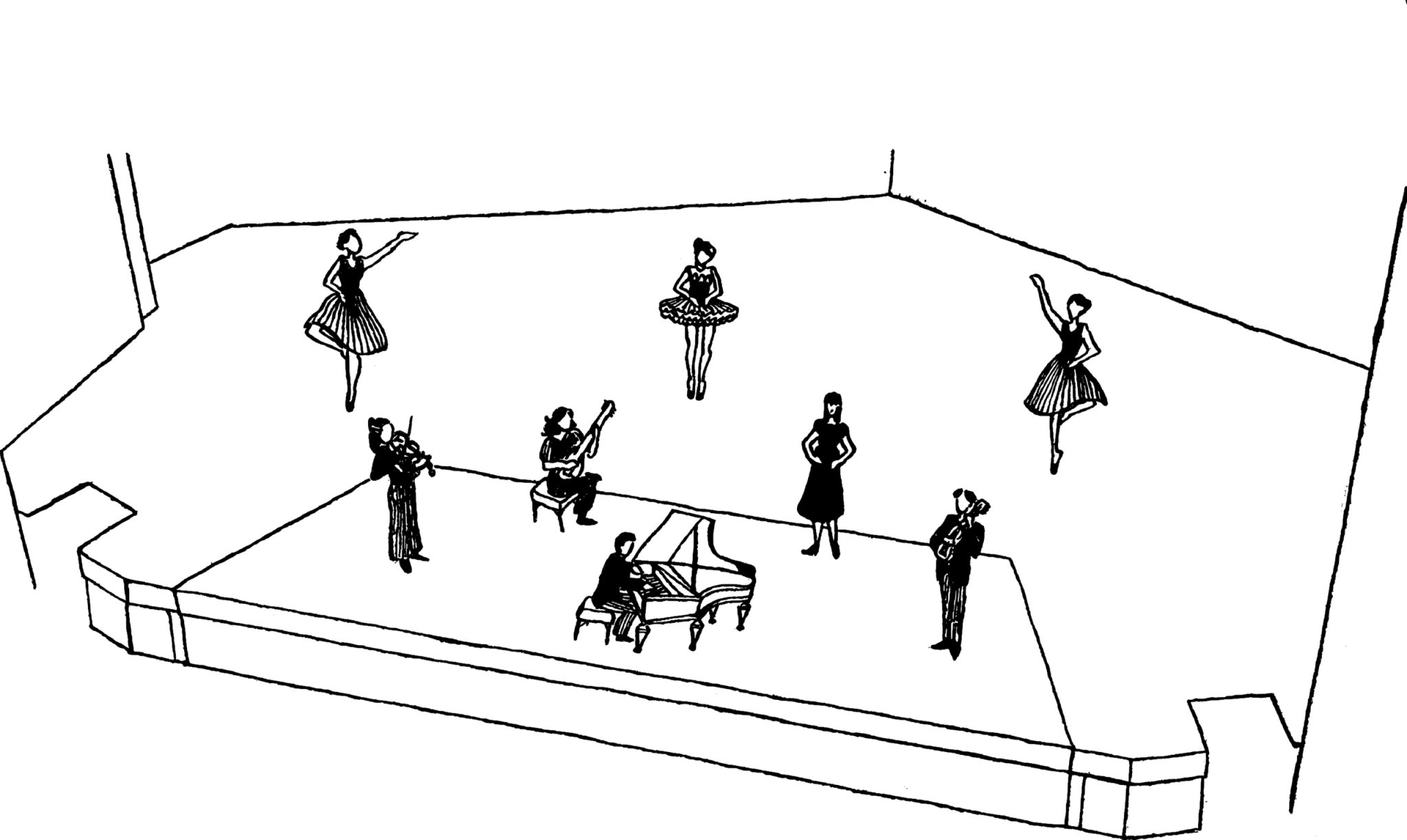
This mobile pit enables the shape of the theatre platform to be adapted to different types of events. It can also be raised to stage level (proscenium) to take advantage of the full depth of the platform.
Careful acoustics at every level
Numerous factors must be taken into consideration to optimise the acoustics of the hall, most notably the seating and material of the walls and stage. The renovations must also take into account the building envelope, roofing and ventilation, as proper insulation is necessary to ensure that undesirable sounds will not interfere with the listening experience or recording sessions.
Constellation
The Constellation System: Customized Acoustics for Emotion!
Constellation enables La Cité Bleue to be all the more versatile and creative. This electro-acoustic system perfects the acoustic features of a site. It is the first time that this system developed by American-based company Meyer Sound is being used in a performing arts venue in Switzerland. The resulting sound quality brings artists and audiences all the more closer together, reproducing the subtlest nuances.
Constellation allows for an unprecedented amount of freedom to adapt the acoustics to the particular needs of each artist and performance. Spectators are led to detect new sound sensations, thanks to a system that is managed from the control room. From recital halls to cathedrals, and from theatres to dance studios, the space can be transformed and expanded, as sound immersion becomes an integral part of artistic creation.
How does it work?
Sound is detected, analysed and immediately retransmitted using an array of microphones and speakers distributed evenly and discreetly throughout the hall. Constellation is not a traditional amplification or sound system. It is an electronic aid that reinforces the acoustic features of the hall. The system does not replace the natural sound, but intervenes to complement and enrich it.
music venues. Come discover this new system at La Cité Bleue Genève!
be completely free to focus on musical expression and interpretation…”
— Jenny Koh (Musical America 2016 Instrumentalist of the Year)
can indeed improve the physical spaces where we listen to music.”
— John Adams (Pulitzer Prize-winning composer)
create a space where audience and musicians can explore a new kind of musical
journey together.”
— Michael Tilson Thomas (Music Director, San Francisco Symphony)
The new Cité Bleue Geneva
The origin of the project
In 2014, the Cité universitaire decided to renovate the performance hall, as it had become outdated. Michèle Trieu (Chair of the Fondation) and Claude-Victor Comte (Committee member) were assigned to develop a new cultural project at La Cité Bleue.
“We wanted to renovate the hall, but first, we thought it was important to find an artistic director so that their needs could be taken into consideration. During our search, Leonardo García Alarcón shared his dream of building a cultural hub in Geneva. When we invited him to visit the theatre, he said, ‘This is the hall I want.’”
— Michèle Trieu

Cité Bleue
“I dreamed that I would one day have a theatre, so that when I retired, I could provide musicians and artists with a space to create and express themselves. The opportunity presented itself earlier than expected and I accepted it. Only in Switzerland could such a thing have happened to me! This country doesn’t like it when things remain unfinished – that’s why it gives us the chance to achieve our dreams.”
— Leonardo García Alarcón, Director
In 2020, Leonardo García Alarcón was officially appointed General and Artistic Director of La Cité Bleue Genève. He created the Saisons Bleue association, putting together a team that is in charge of managing and preparing the hall’s artistic programme.
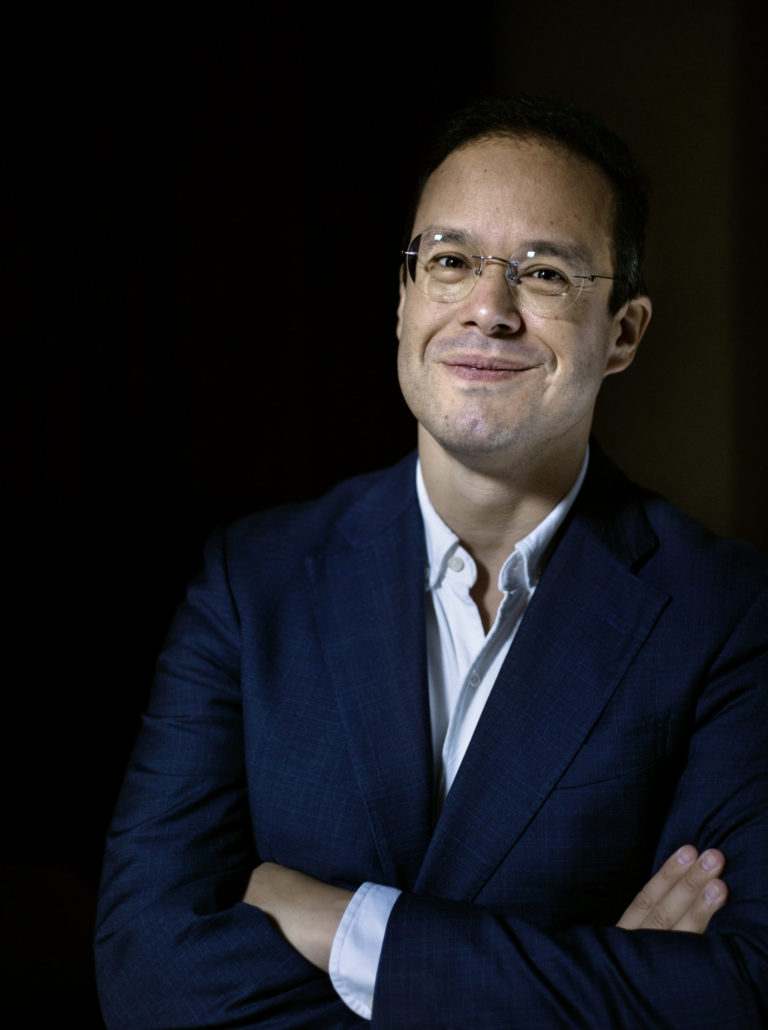
Leonardo García Alarcón
Leonardo García Alarcón is a harpsichordist, conductor, choirmaster and composer. He sets himself apart, as much for his in-depth knowledge of the repertoire, as the inventiveness and audacity of his interpretations. He is constantly seeking to rekindle the elemental force of music and transmit emotion, and attaches great importance to teaching.
“Like some physicists, I think that time does not exist and music allows us to resurrect the souls of composers.”
— Leonardo García Alarcón
“I have rarely met a conductor who is as interested in theatre, dramaturgy, schools of thought, and the relationship between music and text.”
— Jean-Yves Ruf, stage director
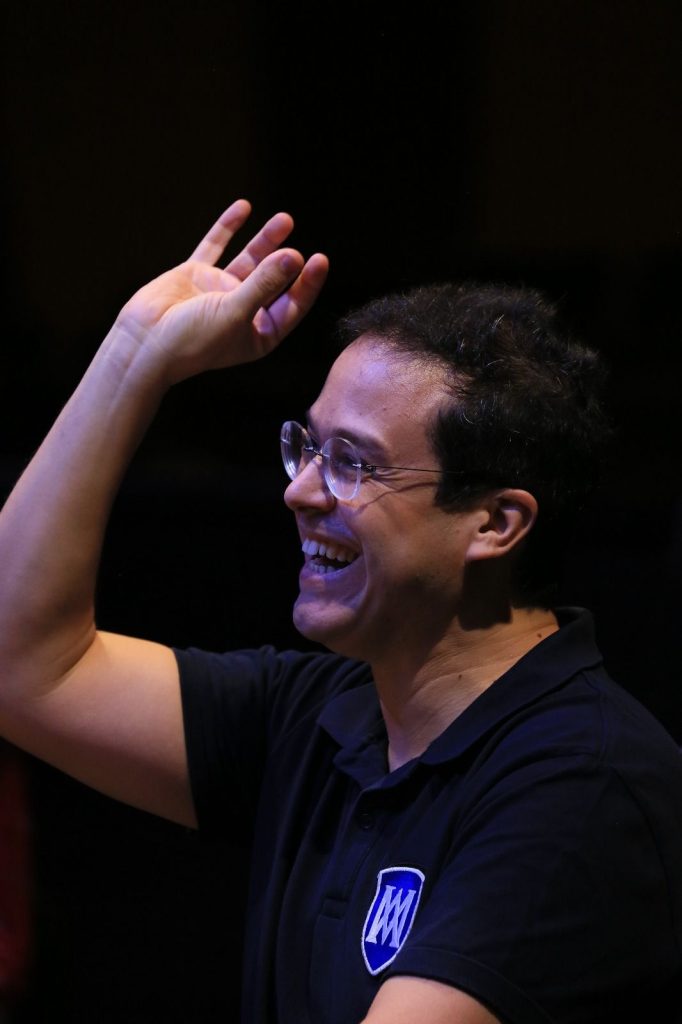
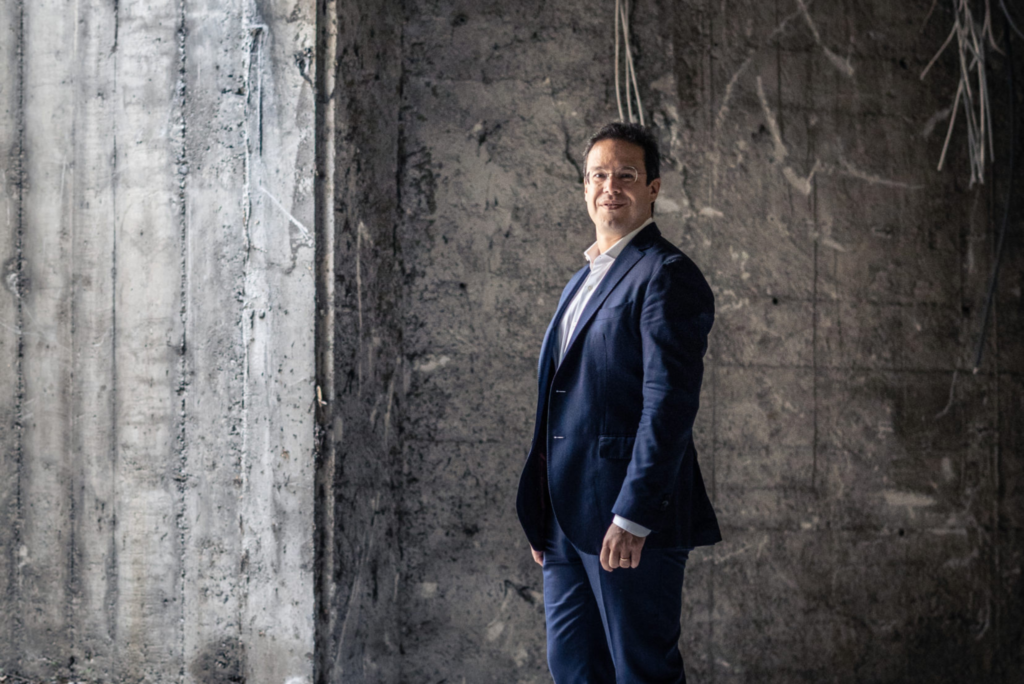
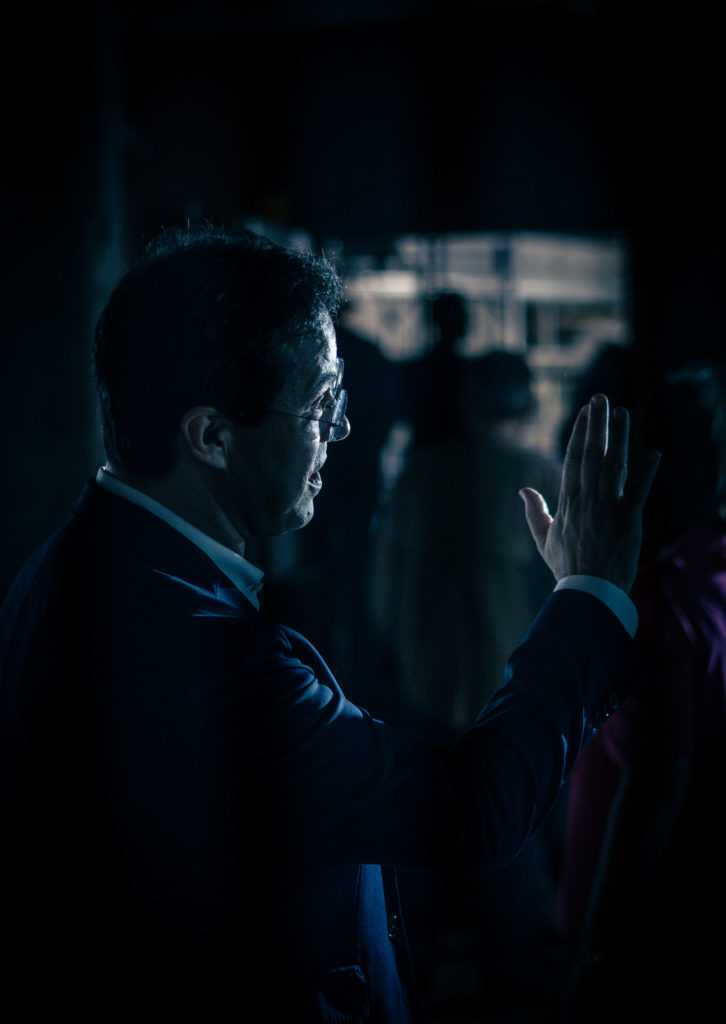
“Above all, he is a great conduit of emotion. He has many identities and is at once a learned musicologist and a showman. He can elict the enthusiasm of an entire hall with the most varied repertoire, from a street dance version of Indes Galantes to the St. Matthew Passion.”
— Charles Sigel (Forum Opéra, juin 2022)
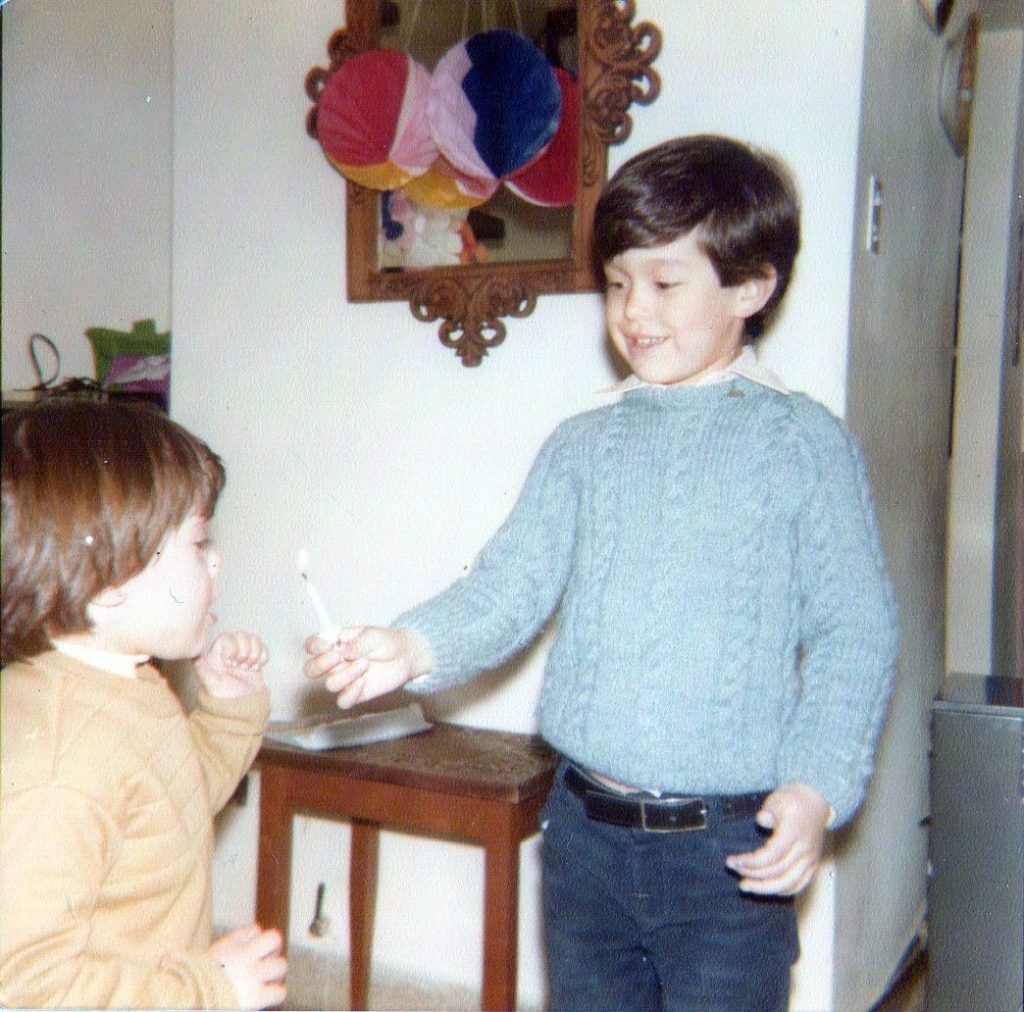
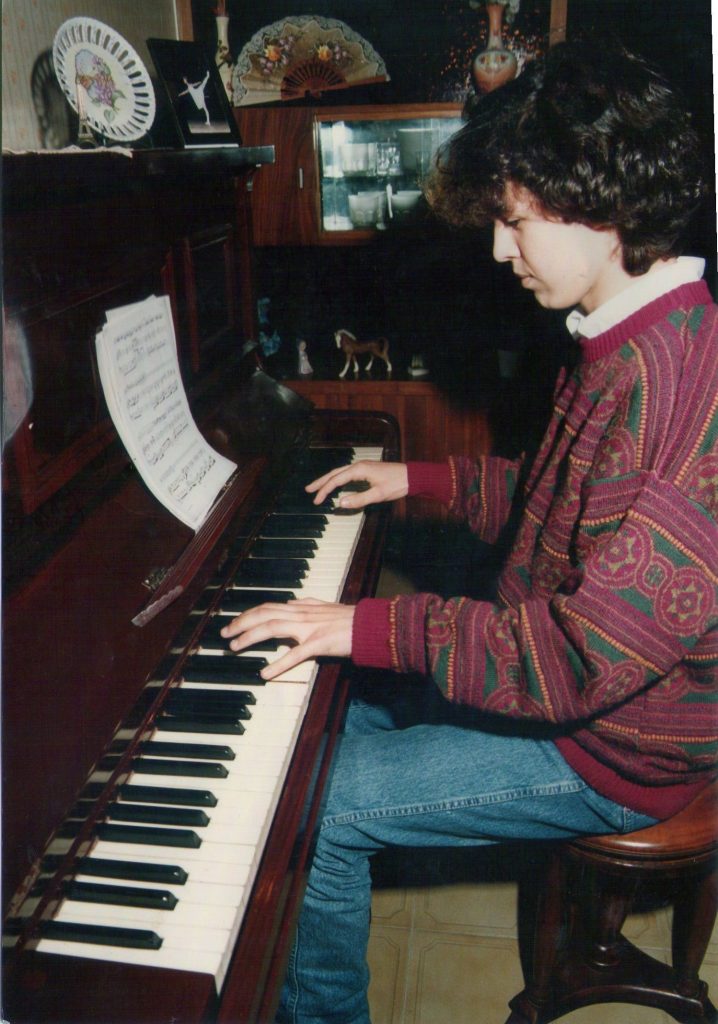
Private Archives
© Leonardo García Alarcón and his sister Mariana around 1985
© Leonardo García Alarcón around 1993.
“No one can know if the world is imaginary or real, or if there is a difference between dreaming and living.”
— Jorge Luis Borges
A place for all music.
Give voice to musicians.
“Musicians are usually hired to produce instrumental music that, ideally, should be virtuosic. As for opera, they are called in at the last minute to produce the background music after everything has already been decided from a theatrical point of view. They are almost never called upon to take part in the creation process. This is why La Cité Bleue was created.
Here, musicians (performers, soloists and composers) will for once be at the centre of the creative universe. Their dreams will be our driving force. We will put them in contact with set designers and choreographers, and put together artistic teams to best meet their needs.”
— Leonardo García Alarcón, Director
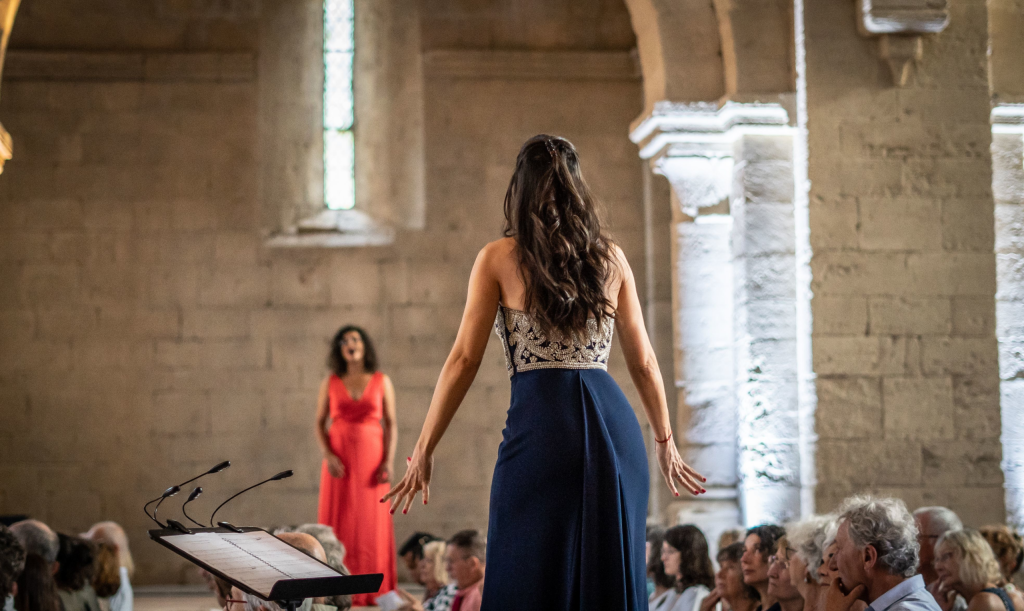
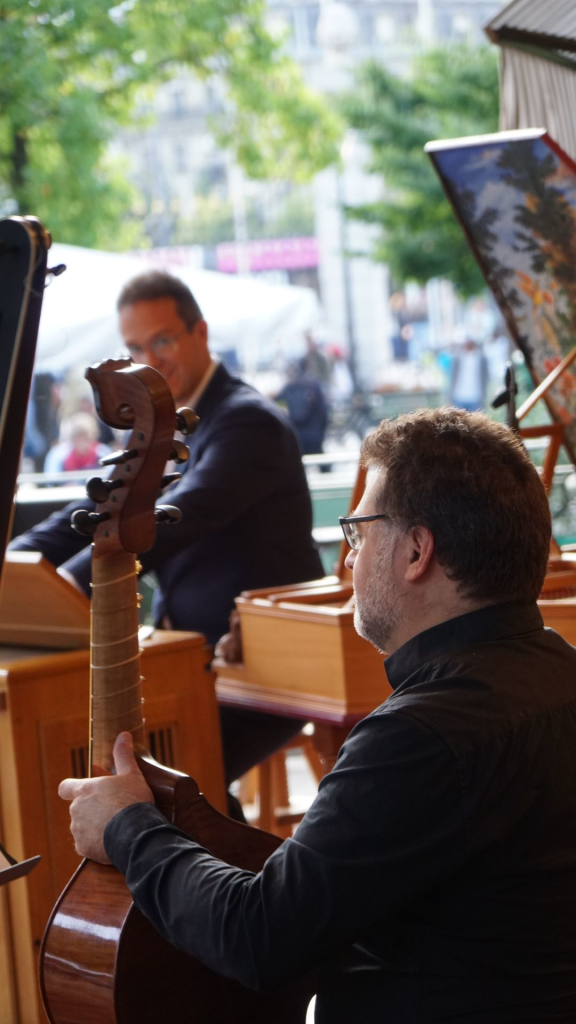
Cappella Mediterranea
Cappella Mediterranea is La Cité Bleue’s main resident group. Founded by Leonardo García Alarcón, the ensemble is above all passionate about Latin and Baroque music, and explores both vocal and instrumental repertoire, including Renaissance polyphony, the madrigal, the motet, opera and musical theatre.
“Cappella Mediterranea has an inexplicable talent for uniting classical music with popular music, making the bass swing and holding our emotions in suspense […], adding new charm to the ornaments in the nightingale’s song and the sorrows of stone. People say that ‘classical music’ is in danger of disappearing, but believe me, it’s going to fight back tooth and nail!”
— Didier Lamare (Concertclassic.com, June 2022)

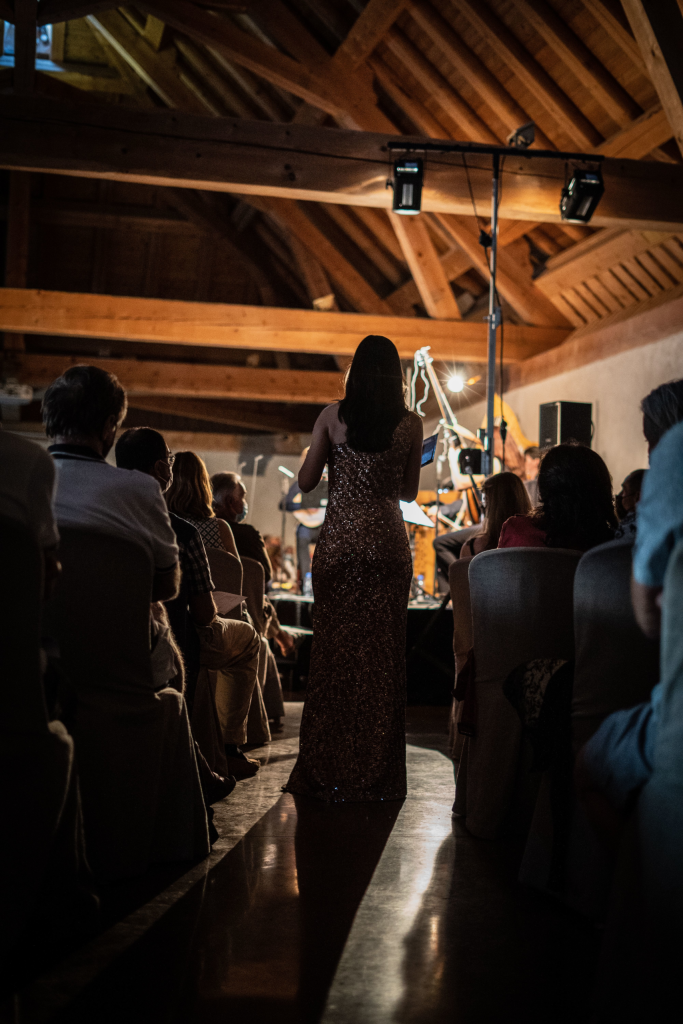
Residence Homecoming
The greatest projects are often born out of residencies, since artists need a place where they have the time to develop a concept in order to create. The aim of La Cité Bleue Genève is to offer artists a warm and welcoming space for performances that can be created entirely on site.
A scene at the crossroads of the arts.
“Music will be at the centre of this project and will naturally call upon the greatest variety of artistic forms.”
— Leonardo García Alarcón
Literature
Movies
Dance
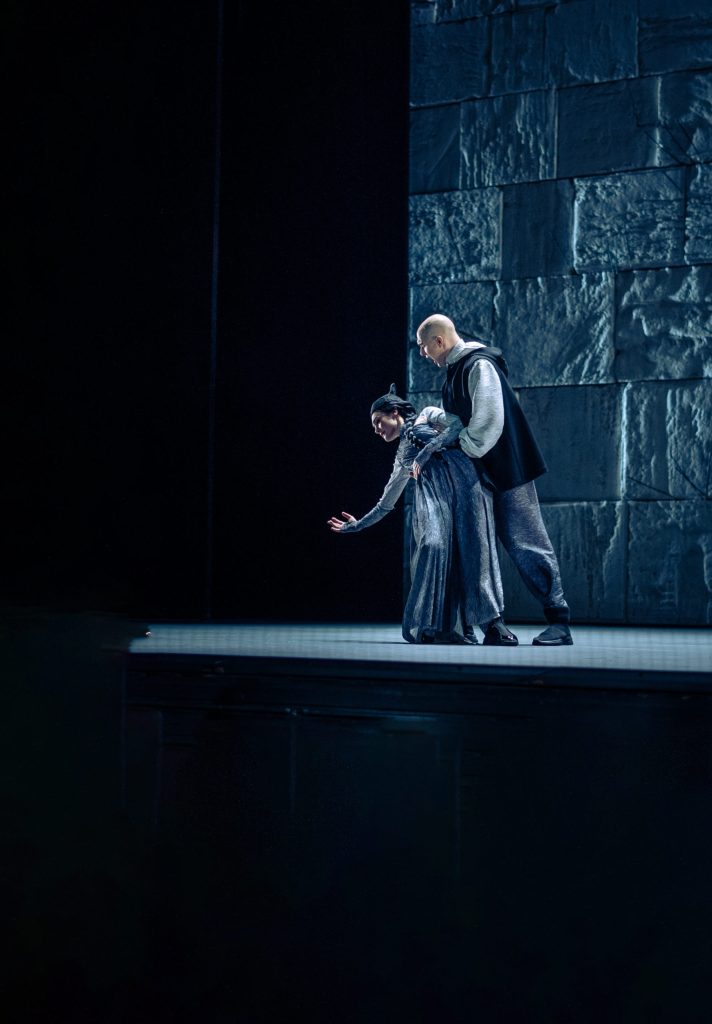
Music
Theater
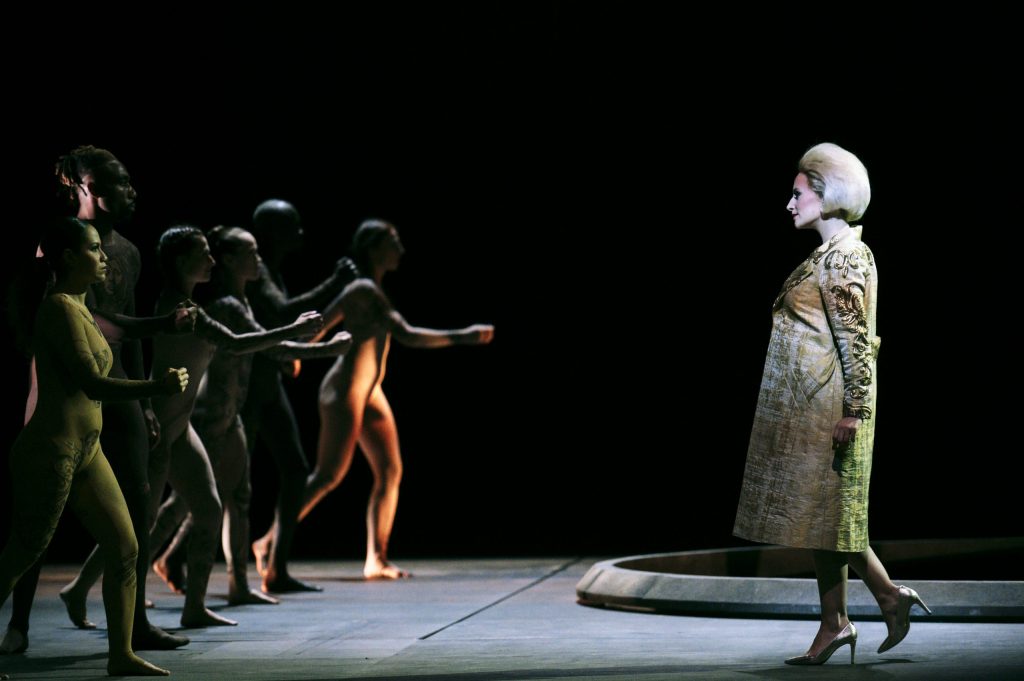
We want to favour collaborations and exchanges between different artistic disciplines. The renovated hall is designed to host a wide range of companies and ensembles. La Cité Bleue Genève is open to all artistic forms and styles, from ancient music to contemporary creations, including dance, chamber opera, musical theatre, circus, recitals, projections and exhibitions.
The orchestra pit and electro-acoustic Constellations system provide the ideal setting for creations of all kinds, as well as the blending of different genres. La Cité Bleue Genève embraces the use of artificial intelligence in the musical and artistic experience and is therefore the optimal place to experiment.
✍ What kinds of performances are you hoping to see at La Cité Bleue?

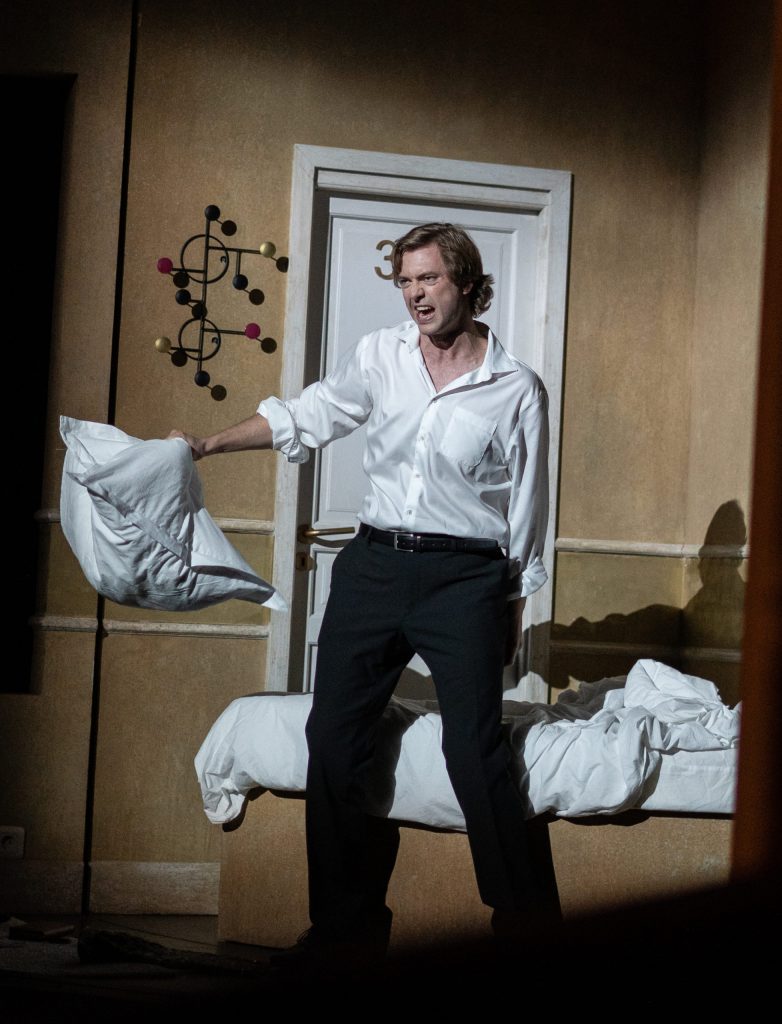
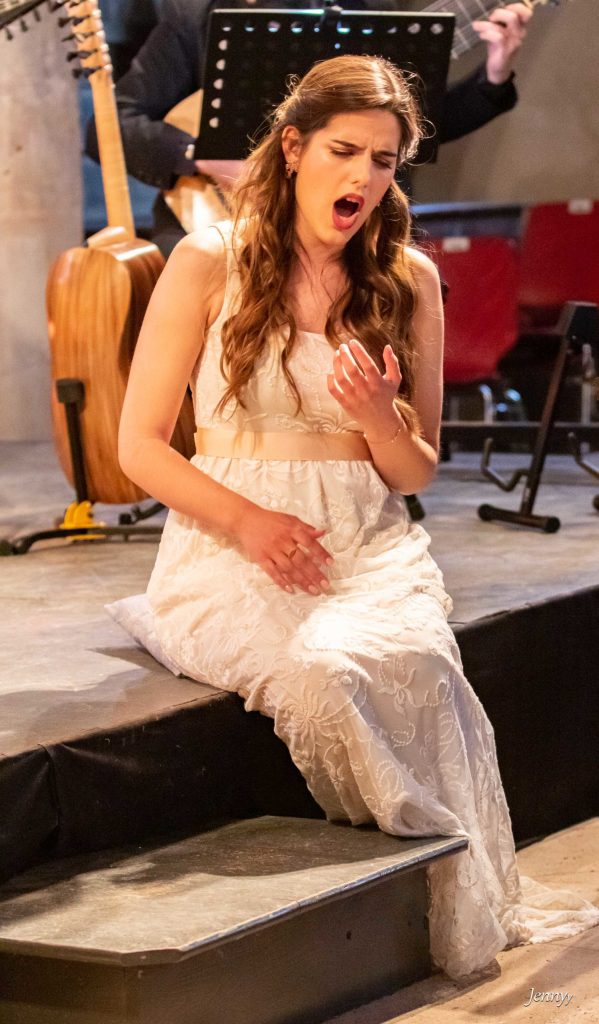
A space to unleash emotions.
Thanks to its acoustics and intimate setting, La Cité Bleue is the ideal site to transmit and foster ties between artists and audiences, thus undermining the notion of classical music as distant and sacred, and signalling a return to the simplicity of human emotion.
“Technical facilities should be at the service of art, and not the other way around. Artists should be free to express their emotions so that they can connect with each and every person in the audience. I have a dream of artists being able to create freely, without ideological pressure or time constraints. At La Cité Bleue I want what remains unspoken to be articulated. We create a lot of taboos out of fear of showing our emotions, but luckily, we can combat this through art. Music is there to convey what we do not dare to say.
I want to give voice to artists so that they can say what cannot be expressed
through words, since music can succeed where words fail.”
— Leonardo García Alarcón
Blue: the color of interiority
“The blue of the sky and sea has been a constant presence throughout the history of music, whether sacred or secular. Its infinite shades can almost cover the full range of human emotion. I think that the colour blue carries both melancholy and the greatest joy on earth.”
— Leonardo García Alarcón
☞ La Cité Bleue is eco-friendly ! Find out more about our commitment to the environment
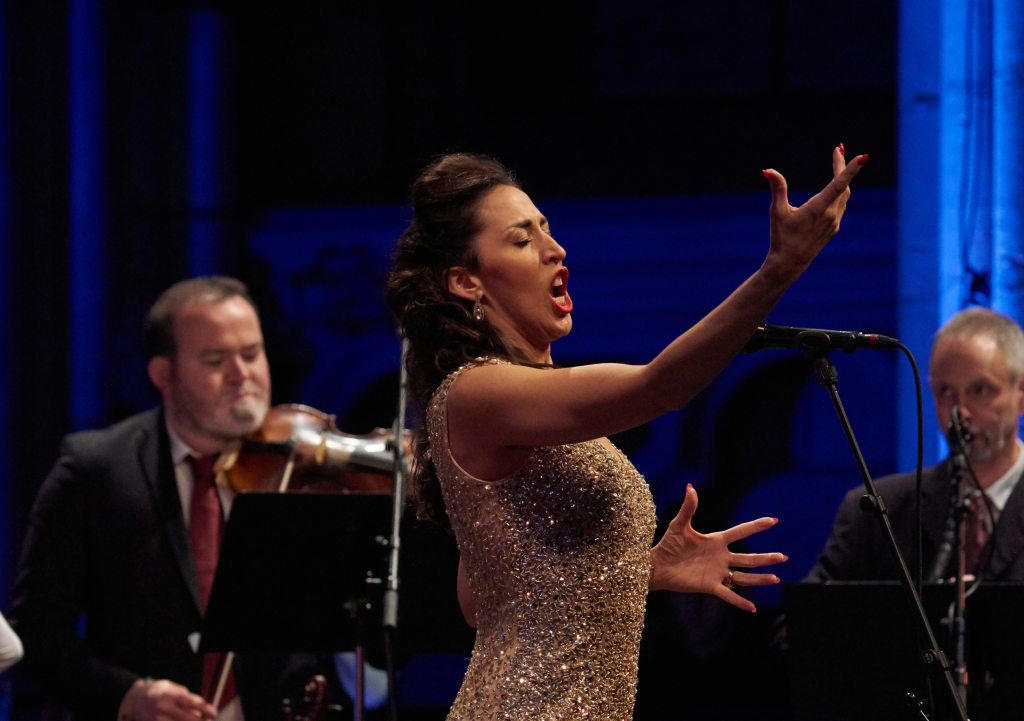
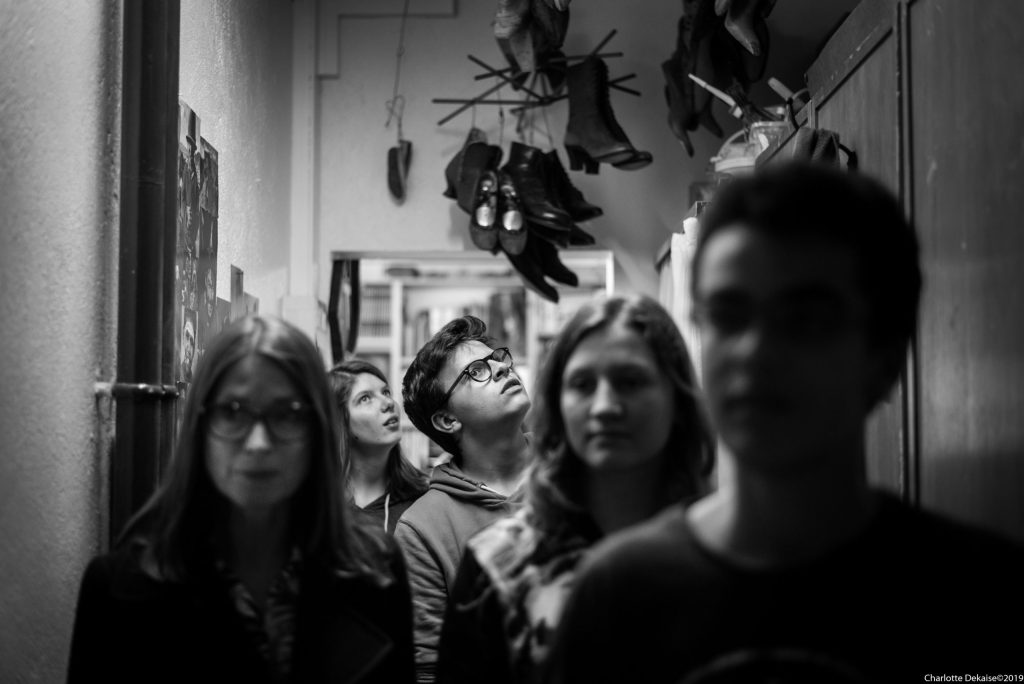
An Open and Welcoming House
Like Geneva and the Cité universitaire that surrounds it, La Cité Bleue will be international. We aim to showcase art from Geneva and all over the world through concerts, encounters, workshops and performances. We know how important it is to develop a relationship with the residents of Champel and the Cité universitaire. That’s why we will be inviting them to participate in activities at La Cité Bleue, through participatory performances, festivals outside of the theatre, open rehearsals and student jobs.
Activités pédagogiques
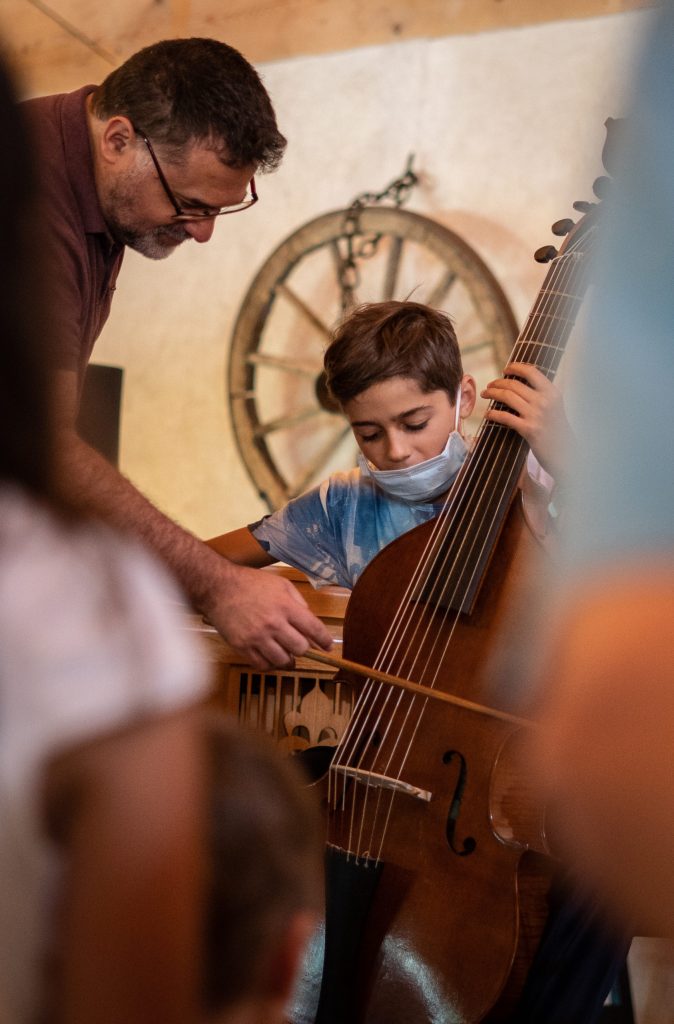
We will be offering audiences different formats, including midday concerts and family concerts where children can participate in educational activities while their parents attend the show.
Aside from performances, we also want to open La Cité Bleue’s doors to guided tours and workshops so that audiences can better understand the works and have a glimpse of what goes on backstage. The foyer and areas adjacent to the hall are designed to accommodate groups for these kinds of outreach activities.
THE CITE BLEUE OF GENEVA: PAST, PRESENT, AND FUTURE OF A KEY GENEVOIS CULTURAL DESTINATION
This exhibition is presented by Les Saisons Bleues association. Michèle Trieu (Chair) and Leonardo García Alarcón (Director) would like to thank Fondation Cité Bleue and the Cité universitaire, and in particular, its director, Stanislas Pelpel.
In memory of Claude-Victor Comtes
Exhibition Curatorship
Muriel Brandt
TEXTS
Muriel Brandt, Cécile Delloye, Pierre Scheid
ENGLISH TRANSLATION
Danielle Thien
RELECTURE
François Ewald, Françoise Haeberlin, Michèle Trieu
DRAWINGS
Diane Delloye
GRAPHICS
Base Design
PRINTING
LP Copycenter
STRUCTURES
MiniTec 4n
INSTALLATION
Perspectives Paysage
Les Saisons Bleues would like to express deep gratitude to all the people and institutions who have contributed to this exhibition:
ON THE HISTORY OF THE HALL :
Philippe Aegerter
Philippe Albèra
Jean-Luc Arni
Laurent Aubert
Michel et Michèle Auer
Jean-Elie Battista
Ambroise Barras
Laurent Bonnet
Diego Cabeza
Philippe Cohen
Monique Décosterd
John Donnelly
John Dubouchet
Adelina von Fürstenberg
Marie-Hélène Grinevald
Eric Jeanmonod
Virginie Keller
Léon Meynet
Jean-Jacques Monney
Omar Porras
Claude Ratzé
Jean-François Rohrbasser
Sandro Rossetti
Yvan Rouiller
Nicole Simon-Vermot
Inge Sjollema
Laura Tanner
Michèle Trieu
Olivier Vodoz
L’AMR Genève
L’Association pour la Danse Contemporaine
Les Ateliers d’ethnomusicologie
La Bibliothèque de Genève
Le Centre d’Art Contemporain Genève
Le Centre de la Photographie Genève
Contrechamps
Fonction: Cinéma
La Fondation Simón I. Patiño
La Radio Télévision Suisse
ON THE RENOVATION PROJECT :
Stéphane Agazzi et Pierre Bosson (PIBO et A&HM)
Nicolas Gallaud (Archac)
Pascale Guillou (L’OEil du Prince)
Samira Hajjat
Philippe Warrand et Gabrielle Lebreton (ArtSceno)
With the support of: